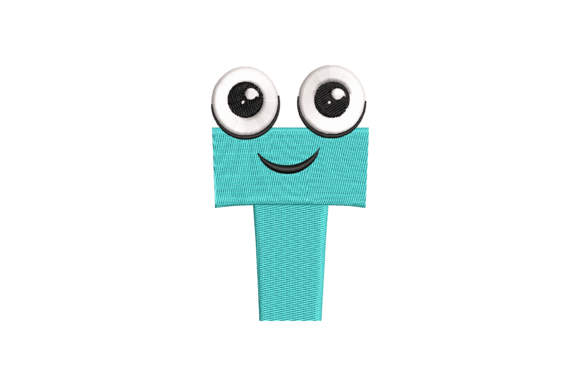
Funny Letter T: A Seasonal Embroidery Design Review
As an experienced embroidery designer planning my upcoming seasonal collection, I am constantly evaluating which digital assets will translate best into finished products that customers actually want to buy. When reviewing the Funny Letter T machine embroidery design, my primary focus is on versatility and emotional resonance during the busy holiday shopping season. Whether categorized under Back To School or general holiday decor, this specific embroidery file offers a unique blend of whimsy and personalization that can drive sales across multiple product categories. My assessment below breaks down exactly how this design performs in real-world production scenarios for Etsy sellers, apparel decorators, and handmade gift makers.
First Impressions: Charm Meets Commercial Viability
My initial reaction to the Funny Letter T is that it strikes a difficult balance between playful and polished. In the world of seasonal embroidery, designs often lean too far into cartoonish territory, alienating adult buyers, or they become so formal that they lose the cozy holiday spirit. This design feels distinctly nostalgic yet modern, making it suitable for both children’s apparel and adult home decor. The "adorable charm" mentioned in the product description is accurate, but as a professional, I see it as a high-value asset for creating personalized gifts. The decorative style suggests a hand-drawn aesthetic that mimics traditional needlework, which increases perceived value compared to standard block lettering. For small shop owners, this visual warmth is essential for stopping the scroll on social media feeds saturated with generic holiday content.
Strategic Product Applications for Holiday Sales
When building a seasonal collection, I need designs that work across various blanks without requiring constant digitizing adjustments. The Funny Letter T excels here because its scale and density are adaptable. Here is how I envision integrating this design into a profitable holiday lineup:
- Sweatshirt Embroidery: This is the premier application for Q4 sales. Placing this letter on the left chest of a cream or sage green sweatshirt creates an instant bestseller. The humor in the letter style adds personality to what could otherwise be a basic monogram item, encouraging customers to buy one for every family member.
- Kitchen Towel Embroidery: Holiday baking is a massive niche. Using this design on flour sack towels allows for thematic bundling. Because the letter has character, it stands alone beautifully without needing elaborate wreaths or borders, keeping stitch counts low and profit margins high.
- Tote Bag Design: For craft fair vendors, tote bags are high-volume sellers. This design provides a quick customization option for shoppers looking for reusable gift wrapping or market bags. The playful nature of the T makes it ideal for teacher gifts or library bags during the back-to-school transition into autumn.
- Pillow Cover and Home Decor: Seasonal throw pillows are staple items. This letter works exceptionally well as part of a word stack or as a standalone initial representing a family name. Its texture adds tactile interest to linen and cotton fabrics commonly used in holiday styling.
- Embroidered Patches: Creating iron-on patches from this design allows for inventory flexibility. Customers can apply them to denim jackets, backpacks, or beanies, expanding your product reach without holding physical stock of every garment size.
Navigating Technical Limitations and Fabric Choices
While the Funny Letter T is versatile, experienced embroiderers know that no design is universal. There are specific scenarios where caution is required to maintain quality and customer trust. When working with this embroidery file, pay close attention to fabric texture and stabilizer choices.
Stretchy Garments and Knits: If you are stitching this onto ribbed knitwear or performance fabrics common in modern athleisure, you must use appropriate cut-away stabilizer. The intricate details in funny or stylized lettering can distort if the fabric shifts during stitching. Always test on a scrap piece first to ensure the registration holds.
Thick Towels and High Pile Fabrics: On terry cloth or fleece, fine details can get lost. You may need to add a water-soluble topping to prevent stitches from sinking into the pile. If the design includes very thin lines or tiny facial features within the letter, consider whether those elements will remain visible after washing. Sometimes, simplifying the design for high-pile fabrics is necessary to preserve readability.
Dark Fabrics and Metallic Thread: Holiday collections often feature dark reds, greens, and navies. Ensure the digitizer has accounted for contrast. If you plan to use metallic thread for a festive touch, verify that the stitch density is not too high, as metallic threads require less density to prevent breakage. Always check the specific hoop size requirements before purchasing to ensure compatibility with your machine setup.
Enhancing Buyer Emotion and Brand Consistency
In the competitive landscape of digital embroidery files and finished goods, technical perfection is only half the battle. The Funny Letter T succeeds because it triggers positive buyer emotions. During the holidays, shoppers are looking for connection and joy. A humorous, charming letter feels more intimate than a standard serif font. It signals that the giver put thought into selecting something unique rather than generic.
For Etsy sellers and small business owners, using consistent typography across a collection builds brand recognition. If your shop is known for lighthearted, cozy aesthetics, this design reinforces that identity. It bridges the gap between Back To School utility and holiday festivity, allowing you to extend the lifecycle of your products. A sweatshirt sold in September for school pictures can easily transition into a Thanksgiving or Christmas gift simply by changing the accompanying marketing copy and color palette. This longevity is crucial for maximizing return on investment for digital assets.
Essential Designer Notes for Production Success
Before adding the Funny Letter T to your commercial embroidery lineup or listing it as a finished product, adhere to these professional best practices to ensure quality and compliance:
- Verify Licensing Terms: Never assume usage rights. Confirm whether the digital embroidery file includes commercial licensing for selling finished products. Protecting your business starts with respecting intellectual property.
- Test Stitch Density: Run a sample on both light and dark fabrics. Check the back of the embroidery; excessive jump stitches or dense areas can cause puckering or discomfort against the skin, especially on baby items or apparel.
- Create Realistic Mockups: Do not rely solely on software-generated previews. Stitch out the design and photograph it on actual products. Printable mockups are useful for listings, but photos of the finished product build significantly higher trust with holiday shoppers who want to see true thread colors and texture.
- Plan Color Palettes Early: Test thread colors against your seasonal inventory. A funny letter might look great in bright primary colors for Back To School but may need muted, vintage tones for holiday home decor. Document your successful color combinations to streamline future production runs.
- Check Small Details: After stitching, inspect the design for any loose threads or registration issues. Holiday shoppers are often buying gifts; a flaw that you might accept on a personal project could result in a negative review on a paid order. Quality control is non-negotiable during peak season.
The Funny Letter T represents a smart addition to any seasonal embroidery strategy. By understanding its technical requirements and leveraging its emotional appeal, crafters and business owners can transform a simple alphabet design into a cornerstone of their holiday revenue. Whether you are creating personalized gifts, decorating home linens, or expanding your apparel line, this design offers the perfect mix of charm and commercial practicality needed to succeed in today's handmade marketplace.