Checkered Print Apple: A Designer’s Stitch Review
When evaluating a new machine embroidery design for commercial or personal use, I look beyond the digital preview. As a designer who regularly produces custom apparel and home goods, my primary concern is how a file translates from screen to fabric. The Checkered Print Apple immediately catches the eye as a versatile motif that bridges the gap between nostalgic Back To School aesthetics and modern farmhouse charm. However, visual appeal on a monitor does not always guarantee a clean stitch-out. After reviewing this design's structure and potential applications, here is my practical assessment for makers, Etsy sellers, and hobbyists considering adding this asset to their library.
First Impressions and Visual Personality
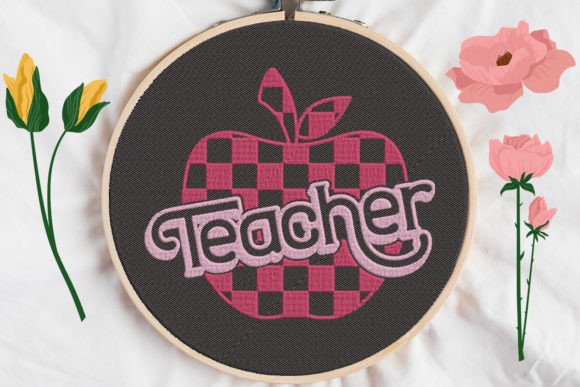
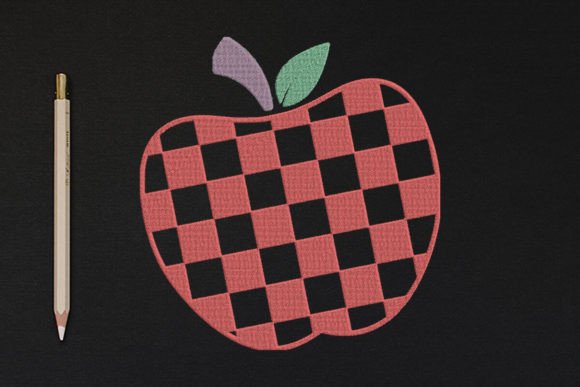
The Checkered Print Apple carries a distinct whimsical personality without feeling juvenile. The checkered pattern within the apple shape suggests a gingham or picnic-style texture, which inherently softens the silhouette. Unlike solid fill designs that can appear heavy or stiff on garments, this patterned approach implies a lighter stitch density. For a handmade product, this is crucial. It prevents the "bulletproof vest" effect where embroidery becomes too rigid for comfortable wear.
Visually, the design strikes a balance that works for multiple demographics. It is playful enough for baby embroidery projects like bibs or onesies, yet sophisticated enough for adult sweatshirt embroidery or kitchen textiles. The layout appears centered and balanced, making it an excellent candidate for placement on chest pockets, towel borders, or tote bag centers. As a reviewer, I appreciate designs that do not require extensive editing to look professional; this apple seems ready to stitch with minimal adjustment for most standard projects.
Real-World Application: The Teacher Gift Tote Test
To truly judge this embroidery file, I mentally placed it in a specific production scenario: creating a batch of canvas tote bags for teacher appreciation gifts. This is a high-volume project where consistency and speed matter. Canvas is a textured fabric that can swallow fine details, so the success of the Checkered Print Apple depends entirely on its internal definition.
In this context, the checkered interior acts as a built-in detail layer. If this were a simple outline or solid satin stitch, it might get lost against the weave of natural canvas. The contrast between the outer edge and the inner pattern provides necessary visual separation. For an Etsy seller fulfilling custom orders, this design offers high perceived value because the pattern adds complexity without requiring manual color changes or intricate appliqué alignment during production. It stitches efficiently while looking intentional and polished on a finished tote bag design.
Fabric Compatibility and Stabilizer Strategy
While the Checkered Print Apple is versatile, material selection dictates your success. Based on the design’s likely construction, here is how I would approach different substrates:
- Cotton and Linen: These are ideal. Use a medium-weight cutaway stabilizer for permanent support. The natural fibers grip the thread well, allowing the checkered texture to pop.
- Stretchy Knits (T-Shirts): Proceed with caution. Because the design covers surface area with pattern work, you must use a fusible no-show mesh stabilizer to prevent puckering. Test the tension first; if the knit stretches during hooping, the apple will distort when removed from the hoop.
- Terry Cloth (Towels): Essential for tea towels and bath linens. You must use a water-soluble topping to keep the terry loops from poking through the checkered fill stitches. Without a topping, the crisp lines of the print will disappear into the pile.
- Dark Fabrics: Evaluate your thread colors carefully. Checkered patterns rely on contrast. If stitching white-and-red checks on black fabric, ensure the underlay is sufficient to prevent the dark background from muddying the lighter thread colors.
Technical Considerations for Small Shops
For those running a craft business or selling digital embroidery files, technical reliability builds customer trust. Before listing a finished product featuring the Checkered Print Apple, verify the following:
Hoop Size and Scaling Limits
Always confirm the native size of the digital embroidery file before resizing. Pattern-based fills often suffer when scaled down too aggressively. If you reduce this apple by more than 20%, the checkered squares may merge into a muddy blob. Conversely, enlarging it significantly might reveal gaps in the fill. Stick close to the original dimensions to maintain the integrity of the design assets.
Stitch Type Identification
Determine whether the checkered effect is achieved via complex fill stitches or layered running stitches. If it uses dense satin stitch borders, watch out for thread breaks on older machines. If it utilizes appliqué techniques, ensure you have the correct fabric prepared. Understanding the construction helps you troubleshoot tension issues before they ruin a blank garment.
Washability and Durability
If you are selling commercial embroidery items like aprons or baby clothes, the design must withstand laundering. Run a wash test on a sample. Checkered patterns can sometimes pull at the intersection points if the density is uneven. A durable personalized gift should look as good after ten washes as it did fresh out of the hoop.
Merchandising and Presentation Value
Beyond the needle, consider how this design performs in marketing. The Checkered Print Apple photographs exceptionally well because of its graphic nature. When creating printable mockups for your online store, the distinct pattern reads clearly even in thumbnail images. This is vital for small shop product listings where customers scroll quickly.
For holiday embroidery or seasonal collections, this motif transitions easily. Pair it with red thread for Christmas, pastel thread for Easter, or classic school colors for August. Its adaptability maximizes your return on investment as a design asset. Instead of buying separate files for every season, this single embroidery project foundation serves year-round needs.
Final Verdict for Makers
The Checkered Print Apple earns a positive recommendation for both hobbyists and professionals. It avoids the common pitfalls of overly dense digitizing while offering enough visual interest to elevate basic blanks. Whether you are stitching a custom apparel line for a boutique or personalizing a nursery pillow, this design delivers charm with practical functionality.
However, always respect the fundamentals. Test on scrap fabric first. Verify licensing terms if you plan to sell the embroidery file itself versus the physical item. Check thread contrast against your chosen background. By treating this design with professional diligence rather than assuming it is plug-and-play, you ensure that every stitched apple meets the quality standards your customers expect. It is a delightful addition to any digitizer’s toolkit, provided it is executed with the same care put into selecting it.