Teacher Sign Checkered Print Apple: A Designer’s Review
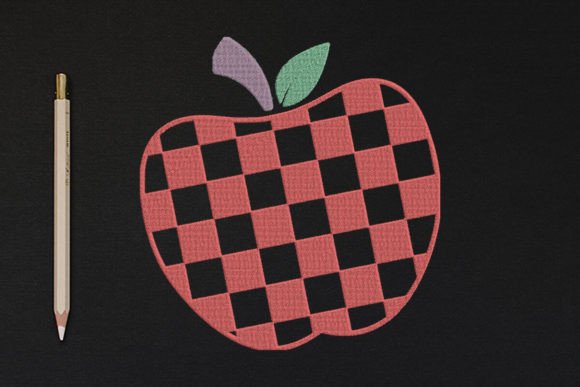
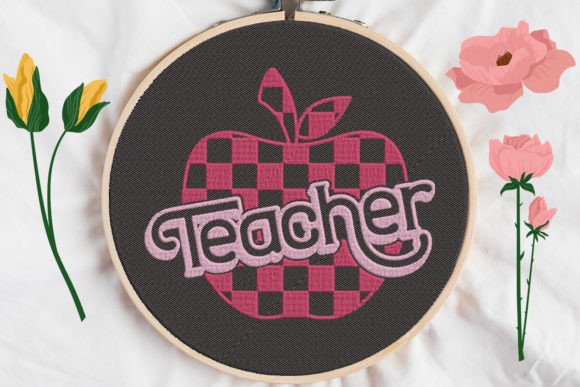
As an embroidery designer who has stitched out countless school-themed graphics, I approach every new machine embroidery design with a critical eye. It is not enough for a graphic to look cute on a screen; it must translate into thread without puckering, breaking needles, or losing its charm after the first wash. When evaluating the Teacher Sign Checkered Print Apple, my immediate impression is one of nostalgic warmth mixed with modern trendiness. The checkered pattern evokes classic gingham picnic blankets and vintage classroom aesthetics, while the apple shape provides a universally recognized silhouette that anchors the composition. This balance makes it a strong contender for Back To School collections, but as a professional reviewer, I need to assess how this digital file performs when the needle actually hits the fabric.
First Impressions and Visual Personality
The visual mood of this design is undeniably cheerful yet structured. Unlike chaotic or overly intricate illustrations, the Teacher Sign Checkered Print Apple relies on clean geometry and bold color blocking. For a craft business or Etsy seller, this clarity is a massive asset. Customers scrolling through thumbnails on mobile devices can instantly identify the motif. The checkered print suggests texture even before stitching begins, implying a cozy, handmade quality that buyers associate with premium personalized gifts. However, the success of this aesthetic depends entirely on execution. If the stitch density is too high, that charming gingham effect can turn into a stiff, bulletproof patch. If it is too low, the fabric might show through unevenly, making the finished product look cheap. My initial assessment is that this design thrives on contrast and precision rather than complex shading.
Real-World Application: Stitching a Teacher Tote Bag
To truly understand the utility of this embroidery file, I mentally placed it in a real-life production scenario: creating a custom canvas tote bag for a teacher appreciation gift. Canvas is a forgiving but textured substrate that demands respect. In this application, the Teacher Sign Checkered Print Apple serves as the central focal point. Because tote bags are functional items subject to heavy wear, the design needs structural integrity. I envision using a sturdy cutaway stabilizer to prevent the canvas from distorting under the weight of the fill stitches. The apple shape offers excellent coverage, but the sign element requires careful attention to legibility. If the text within the sign is rendered in tiny satin columns, they may get lost in the canvas weave. As a designer, I would recommend verifying that the lettering height meets minimum safety standards for the specific hoop size you intend to use. This project highlights the design's strength as a tote bag design that feels substantial and intentional, rather than like an afterthought.
Performance Across Different Substrates
Versatility is key for any digital embroidery file intended for commercial use. While the tote bag scenario works well, this design faces different challenges on apparel. For sweatshirt embroidery, the fleece backing and stretchy knit require a different strategy. The checkered pattern involves frequent color changes or complex fill transitions. On sweatshirt material, you must ensure the registration holds perfectly; otherwise, the grid lines of the checkers will look wobbly and unprofessional. Conversely, for baby embroidery on onesies or bibs, the primary concern is comfort. A dense, fully filled apple could irritate sensitive skin against the chest. In such cases, I would evaluate if the design allows for reducing density or utilizing an applique design variation to keep the back soft. For kitchen towels or tea towels, the design’s whimsical accent shines, but you must account for the terry cloth loops pushing up through the stitches. Using a water-soluble topping is non-negotiable here to maintain the crisp definition of the checkered print.
Navigating Technical Constraints and Fabric Choices
No embroidery project is without limitations, and the Teacher Sign Checkered Print Apple requires mindful placement. I advise caution when using this on highly textured fabrics like boucle or thick corduroy. The geometric nature of the checkered print fights against organic textures, potentially resulting in a muddy visual where the grid disappears. Similarly, dark fabrics present a challenge. Unless the design includes a white underlay specifically engineered for dark garments, the vibrant colors of the apple and checkers may sink into the black or navy background, losing their pop. For small shop products like caps or curved surfaces, the flat geometry of a sign and apple can distort. Caps have a limited vertical stitch area, and flattening a round apple to fit a curved brim often ruins the proportions. Always test on a scrap cap before committing to a production run. Additionally, be wary of placing this design across seams or pockets on custom apparel, as the uneven surface will cause registration errors in the detailed checker pattern.
Commercial Value and Customer Perception
For creative entrepreneurs, the value of an embroidery design lies in its ability to convert viewers into buyers. The Teacher Sign Checkered Print Apple taps into a specific emotional niche that drives sales during late summer and early autumn. However, professionalism dictates the price point. A cleanly stitched version of this design signals quality and justifies a higher cost for handmade products. When listing items online, your printable mockup should accurately represent the stitch texture. Do not use a flat vector image as a placeholder; customers want to see how the thread interacts with the fabric. This builds trust. Furthermore, if you are selling the digital embroidery file itself or using it for commercial embroidery services, clear presentation matters. Show the design on multiple backgrounds—light, dark, and neutral—to demonstrate its versatility. Buyer engagement increases when they can visualize the end result. Remember that brand consistency is vital; if your shop specializes in minimalist line art, this bold, filled design might feel out of place. But for shops focused on cottagecore, vintage academia, or teacher gifts, it is a perfect stylistic match.
Essential Pre-Stitch Checklist for Makers
Before you hoop your good fabric, treat the Teacher Sign Checkered Print Apple with the same rigor as any professional asset. Practical preparation prevents costly mistakes.
- Verify Specifications: Since exact stitch counts and dimensions vary by vendor, always open the file in your editing software or machine preview to confirm it fits your intended hoop size and project area.
- Test Stitch Out: Never skip this step. Use a scrap of the exact fabric and stabilizer combination planned for the final piece. Inspect the registration of the checkered pattern and the clarity of any text.
- Check Thread Colors: Monitor the color change sequence. Ensure the contrast between the apple body and the checkered overlay is distinct. Poor contrast kills the visual impact of this specific motif.
- Evaluate Density: Feel the test swatch. Is it too stiff for a baby item? Too loose for a towel? Adjust density settings in your software if necessary to suit the specific fabric texture.
- Review Licensing: Confirm whether your purchase includes rights for selling finished small shop products or if it is strictly for personal use. Respecting intellectual property protects your business reputation.
- Mockup Validation: Create a realistic preview for your listings. If possible, photograph the actual stitched sample rather than relying solely on digital renders to showcase true design assets quality.
Ultimately, the Teacher Sign Checkered Print Apple is more than just a seasonal graphic; it is a test of technical skill and aesthetic judgment. When executed with proper stabilization, appropriate fabric selection, and attention to detail, it transforms simple textiles into cherished holiday embroidery keepsakes or best-selling boutique items. By approaching this design with a maker’s mindset rather than a consumer’s impulse, you ensure that every stitch honors the whimsy and charm promised by the artwork. Whether you are decorating a single apron for a favorite educator or launching a full fall collection, let practical experience guide your needle to results that are as durable as they are delightful.