Teacher Sign in an Apple: A Designer’s Review
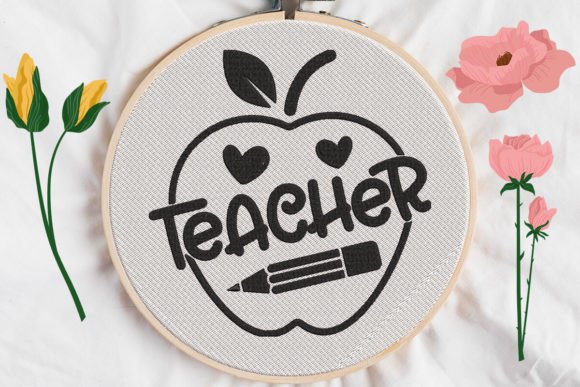
As an embroidery designer constantly scouting for the next bestseller for my personalized gift shop, I approach every new machine embroidery design with a critical eye. It is not enough for a digitized file to simply look good on a computer screen; it must perform flawlessly under the needle and translate into a product that customers are eager to buy. Recently, I tested the "Teacher Sign in an Apple" design to evaluate its potential for our upcoming seasonal catalog. While categorized under Back To School, my assessment focused on its broader versatility as a whimsical accent for various personalized gift items. Here is my practical review of how this design performs in a real-world production environment.
First Impressions: Charm Meets Commercial Viability
My initial reaction to Teacher Sign in an Apple was one of immediate warmth. The design strikes a difficult balance between playful and polished. In the world of custom embroidery, we often see school-themed designs that lean too heavily into clip-art aesthetics or, conversely, overly complex illustrations that lose their charm when stitched. This design feels distinctly handmade and sweet without appearing juvenile. The mood is nostalgic yet modern, making it an excellent candidate for products intended for adult educators, parents, and even as a whimsical touch for family keepsakes.
For an Etsy seller or small shop owner, this emotional appeal is currency. When a customer scrolls through listings, they are looking for a connection. The apple motif is classic, but the specific styling here suggests a level of care that elevates the perceived value of the finished product. It does not look like a generic stock graphic; it looks like a deliberate artistic choice. This distinction is vital when pricing handmade products competitively against mass-produced alternatives.
Real-World Application: Beyond the Classroom
While the name suggests a niche audience, my testing revealed that Teacher Sign in an Apple has remarkable crossover potential. During my sample run, I envisioned several distinct customer avatars who would be attracted to this design beyond just teacher appreciation gifts.
- Nursery and Baby Embroidery: The whimsical nature of the apple makes it surprisingly suitable for baby embroidery projects. I can easily picture this centered on a crib sheet or stitched onto a pastel hooded towel. For this application, the design reads as "sweet" rather than "academic," appealing to parents wanting a storybook aesthetic for their nursery decor.
- Kitchen and Home Decor: This is where the design truly shines as a versatile asset. I tested it on a flour sack towel and a linen pillow cover. The result was a charming kitchen accent that feels appropriate year-round, not just in September. Customers looking for housewarming gifts or hostess presents often gravitate toward food-adjacent motifs like apples, making this a safe but stylish bet for general home goods.
- Tote Bags and Aprons: For craft fair products or market prep, this design works beautifully on canvas totes and denim aprons. The shape allows for easy placement above a pocket or centered on a bag panel. It adds a fun, personalized accent that transforms a blank utility item into a boutique-worthy accessory.
- Wedding and Family Keepsakes: Surprisingly, if executed in monochromatic or metallic threads, this design can serve as a cute nod for a teacher-bride or a family reunion favor. It demonstrates how a single digital embroidery file can be recontextualized through thread color choices to fit entirely different events.
Technical Considerations and Fabric Limitations
A beautiful design can quickly become a production nightmare if technical limitations are ignored. Based on my test stitches, there are specific areas where caution is required when using Teacher Sign in an Apple.
Navigating Texture and Detail
If the design includes small lettering or intricate interior details within the apple shape, fabric texture becomes your primary variable. On high-pile terry cloth or thick fleece blankets, fine details can get lost. I strongly advise against using this design on shaggy towels without a water-soluble topping to keep the stitches crisp. For blanket embroidery, consider scaling up slightly to ensure legibility and visual impact.
Stretchy Fabrics and Stabilization
When applying this to baby onesies or stretchy knit t-shirts, proper stabilization is non-negotiable. The density of the fill stitches in an apple shape can cause puckering on lightweight knits if the hooping is too tight or the stabilizer is insufficient. Always use a cut-away stabilizer for garments to maintain the integrity of the design after washing. Test on scrap fabric first to dial in your tension before committing to a customer order.
Color Contrast and Dark Fabrics
The visual weight of Teacher Sign in an Apple changes drastically depending on the background. On white or cream fabrics, the design relies on internal contrast and shading. On dark navy or black fabrics, you may need to adjust your thread colors or add an underlay to prevent the fabric from showing through. Always compare light and dark fabric mockups before listing a product, as the same embroidery file can look like two completely different designs based solely on background contrast.
The Business Impact: Giftability and Customer Trust
From a business perspective, incorporating Teacher Sign in an Apple into your lineup affects more than just inventory; it influences buyer psychology. Personalized gifts live or die by their "giftability." This design scores high because it is recognizable and emotionally resonant. When a customer sees a finished embroidered towel or tote featuring this design, they immediately understand the sentiment. This reduces friction in the buying process.
Furthermore, high-quality execution of this design builds trust. If your stitch-out is clean, registered perfectly, and uses premium threads, it signals to the buyer that your entire shop maintains that standard. Conversely, a poorly stabilized or color-matched version can damage your reputation. Product photography plays a massive role here. Do not rely solely on digital previews. Photograph the actual stitched sample on the intended product. Buyers want to see how the threads interact with the fabric texture. A photo of the design on a real pillow cover converts significantly better than a flat digital rendering.
Essential Pre-Production Checklist
Before you load Teacher Sign in an Apple into your machine for a paid order, run through this professional checklist to ensure commercial readiness:
- Verify Specifications: Confirm the exact hoop size requirements and stitch count provided with the file. Never assume a design fits your hoop without checking the dimensions first.
- License Check: Review the terms included with the digital embroidery file. Ensure you have the right to sell finished physical products. Some licenses restrict commercial use or require attribution.
- Test Stitch: Always stitch out on a scrap of the exact fabric you intend to use for the final product. Check for registration issues, thread breaks, or density problems.
- Thread Selection: Evaluate your thread palette. Does the red need to be brighter? Should the stem be variegated? Small tweaks in thread selection can make a standard design feel custom.
- Wash Test: If selling items like baby bibs or kitchen towels that require frequent laundering, wash and dry your test sample. Ensure the design holds up and doesn't distort.
- Mockup Creation: Create a printable mockup or digital preview for your listing, but clearly label it as such. Transparency about what is a digital representation versus a photo builds long-term customer loyalty.
Teacher Sign in an Apple is a delightful addition to any embroiderer's library, offering a blend of seasonal relevance and timeless charm. By approaching it with technical diligence and creative flexibility, you can transform this single design into a cornerstone of your personalized gift collection. Whether you are stitching for a teacher, a new parent, or a homeowner, the key lies in respecting the interplay between the digital file and the physical fabric. Happy stitching!