1st Grade Apple Pencil: A Designer’s Stitch Review
As an embroidery designer who has tested countless files for both personal crafting and commercial production, I approach every new machine embroidery design with a critical eye. It is not enough for a graphic to look cute on a screen; it must translate into thread without puckering, breaking, or losing its charm on fabric. When evaluating the 1st Grade Apple Pencil design, my primary focus is on how this whimsical motif performs in real-world applications, specifically for those of us creating Back To School merchandise or personalized gifts.
This design captures a specific nostalgia that resonates deeply with parents, teachers, and students. However, visual appeal is only half the battle. As a reviewer and maker, I need to know if the embroidery file is digitized well enough to withstand washing, wear, and the scrutiny of customers expecting professional quality. Here is my practical assessment of using this design in actual production scenarios.
First Impressions and Visual Personality
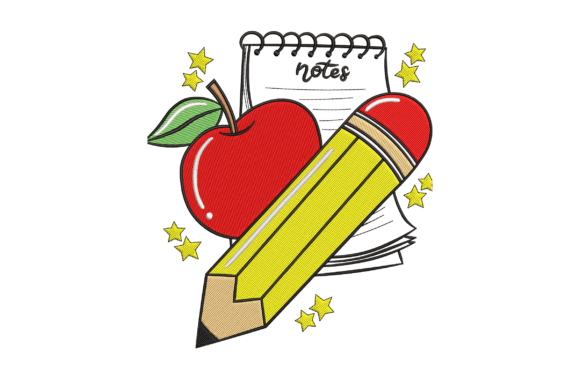
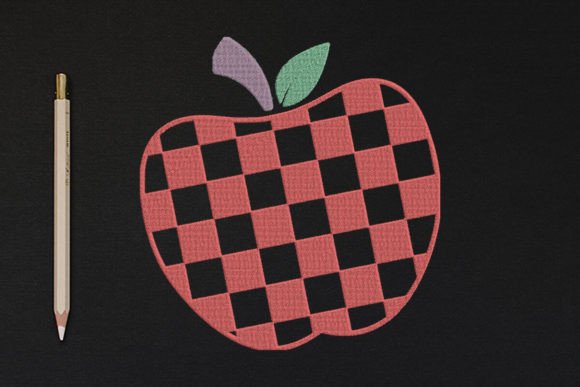
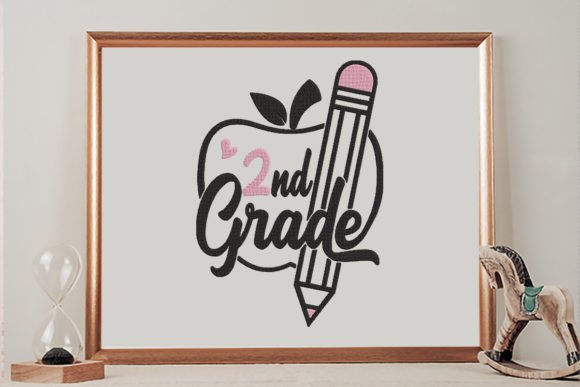
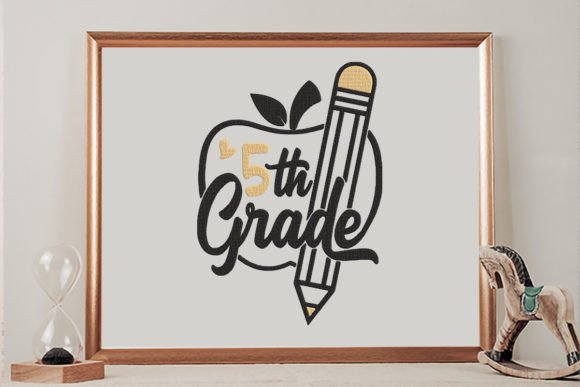
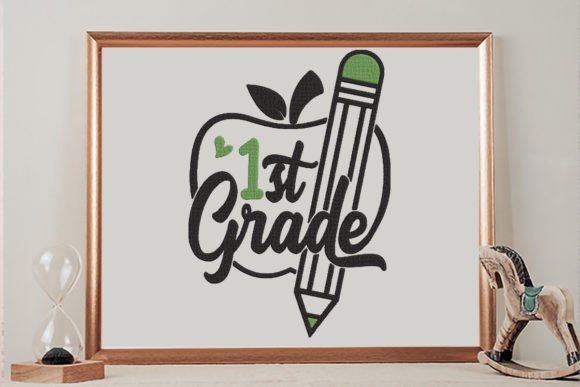
Upon loading the 1st Grade Apple Pencil into my embroidery software, the immediate impression is one of playful clarity. The design balances the organic shape of an apple with the structured linearity of a pencil, creating a focal point that is distinct yet uncomplicated. For an Etsy seller or small shop product creator, this simplicity is a major asset. Overly complex designs often fail at smaller sizes, but this artwork appears to maintain its integrity even when scaled down for a pocket logo or sleeve accent.
The mood is undeniably cheerful, making it ideal for custom apparel like kindergarten orientation shirts or teacher appreciation tote bags. From a digitizing standpoint, the separation between the apple body and the pencil element seems clean. This suggests that color changes will be manageable and that the design won't require excessive jump stitches, which can compromise the finish of a handmade product.
Real-World Application: The Teacher Tote Test
To truly evaluate this design, I mentally placed it in a specific production scenario: creating a canvas tote bag design for a local school fundraiser. Canvas is a textured, medium-weight fabric that can be unforgiving if the stitch density is too high or too low.
In this context, the 1st Grade Apple Pencil serves as an excellent centerpiece. If I were stitching this out, I would pair it with a bold, blocky font for the teacher's name below the graphic. The whimsical nature of the apple pencil softens the utilitarian feel of the bag, elevating it from a basic promotional item to a cherished personalized gift. For commercial embroidery businesses, this versatility is key. You could use the same file for a sweatshirt chest placement, a baby bib, or a classroom banner, maximizing the return on your design assets.
However, success depends on execution. On a tote bag, I would recommend using a tear-away stabilizer with a layer of fusible poly-mesh underneath to prevent the canvas texture from pushing through the satin stitch borders. This attention to detail is what separates a hobbyist project from a professional finished product that commands a higher price point.
Navigating Fabric Challenges and Limitations
While the 1st Grade Apple Pencil is versatile, no design is universal. As an experienced embroiderer, I must highlight where caution is necessary. If you are planning sweatshirt embroidery on fleece or French terry, the fabric's pile can swallow fine details. In such cases, ensure the design has adequate underlay or consider using a water-soluble topping to keep the stitches crisp.
Be particularly mindful when working with stretchy knits for baby embroidery or lightweight tees. Whimsical designs often feature curves that can distort if the hoop size is too large or the stabilization is insufficient. Always use a cut-away stabilizer for stretch fabrics to prevent the apple or pencil shape from warping after the first wash. Additionally, if you are adapting this for caps, verify that the design height fits within your cap frame’s safe zone; curved surfaces require specialized digitizing that standard flat files may not possess.
For dark fabric applications, test your thread colors first. A red apple on navy blue might lack contrast unless you add a white outline or background fill. These small adjustments ensure the design remains visible and impactful, maintaining the professional standard your customers expect.
Enhancing Product Value and Brand Trust
Using a recognizable, high-quality theme like 1st Grade Apple Pencil directly impacts buyer engagement. Parents and educators are emotionally invested in Back To School milestones. When they see a design that feels authentic rather than generic, it builds trust in your brand. For craft business owners, this emotional connection translates to sales.
Furthermore, the technical quality of your stitch-out reflects on your entire shop. A clean, well-executed apple pencil design signals that you care about your work. Conversely, poor registration or thread breaks suggest negligence. Before listing any item featuring this design, create a printable mockup to visualize placement, but always follow up with a physical sample. Digital previews are useful for marketing, but only a real stitch-out confirms that the digital embroidery file meets your quality standards.
Essential Notes for Makers and Sellers
Before you begin your next embroidery project with this file, adhere to these professional best practices:
- Verify Specifications: Since exact stitch counts and dimensions vary by source, always check the file metadata before purchasing or stitching. Ensure the size fits your intended hoop and application.
- Test on Scrap Fabric: Never stitch directly onto a final product without testing. Use scrap material similar to your target garment to check tension and density.
- Review Licensing: Confirm whether the file allows for commercial use of finished products versus digital redistribution. Protecting your business means respecting intellectual property terms.
- Color Contrast Check: View the design in black and white within your software to identify potential contrast issues that color might mask.
- Stabilizer Selection: Match your stabilizer to the fabric weight. Lightweight fabrics need cut-away; sturdy woven fabrics may only need tear-away.
- Mockup vs. Reality: Use mockups for listings, but photograph actual stitched samples for social media to show texture and scale accurately.
Final Thoughts for Creative Entrepreneurs
The 1st Grade Apple Pencil is more than just a seasonal graphic; it is a functional tool for makers looking to connect with the Back To School market. Its blend of charm and structural simplicity makes it suitable for everything from holiday embroidery gifts to everyday school wear. By approaching this design with technical mindfulness and creative intention, you can transform a simple embroidery file into a profitable, beloved product line.
Remember, the value lies not just in the design itself, but in how you execute it. Whether you are an established apparel decorator or a new Etsy seller, treating every stitch with professionalism ensures your handmade items stand out in a crowded marketplace. Happy stitching!