2nd Grade Apple Pencil: An Embroidery Design Review
As an embroidery designer who regularly sources files for commercial production and custom client orders, I approach every new download with a critical eye. When browsing the Back To School category on Creative Fabrica, the 2nd Grade Apple Pencil machine embroidery design caught my attention. It promises a whimsical accent for fabrics, but as professionals know, a charming digital preview does not always translate to a clean stitch-out on textured towels or stretchy apparel. After evaluating this design for potential use in real-world projects, here is my honest assessment of its performance, versatility, and value for handmade business owners.
First Impressions and Visual Personality
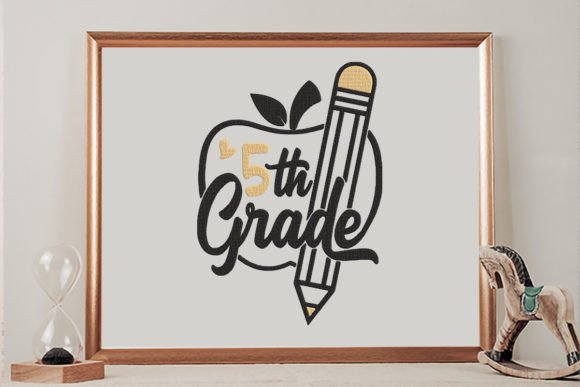
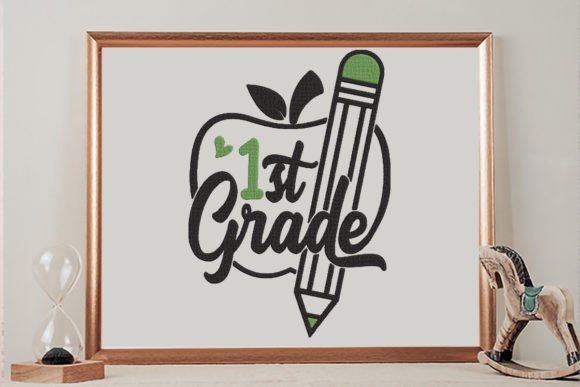
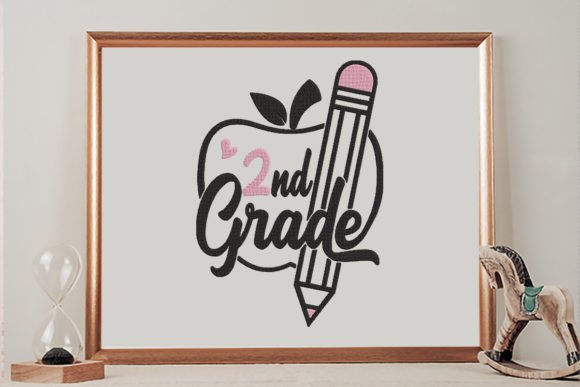
The visual mood of the 2nd Grade Apple Pencil is undeniably nostalgic yet fresh. It strikes a balance between playful and polished, avoiding the overly cartoonish aesthetic that can sometimes limit market appeal. For an embroidery file intended for second-grade milestones or teacher appreciation gifts, the artwork feels age-appropriate without being infantile. The composition suggests it would serve beautifully as a standalone motif on a chest pocket or as a complementary element in a larger personalized gift set.
From a digitizing perspective, the design appears to rely on a mix of satin stitch outlines and fill stitch interiors to create depth. This combination is essential for maintaining definition when scaling the design. However, before loading this into your machine software, I strongly advise reviewing the specific stitch density and layering order. A design with this level of decorative detail requires precise registration; if the underlay is insufficient, the top stitches may sink into plush fabrics like fleece or terry cloth, muddying the crisp lines that give the apple pencil its charm.
Performance on Custom Apparel and Tote Bags
I evaluated this design specifically for a custom apparel order involving cotton sweatshirts and canvas tote bags. These are staple items for Etsy sellers and boutique merchandise, making them the perfect test case.
- Sweatshirt Embroidery: On fleece-backed sweatshirts, the 2nd Grade Apple Pencil design holds up well, provided you use adequate stabilizer. The key here is managing pull compensation. Because the design likely features vertical elements typical of a pencil shape, improper stabilization can cause the fabric to pucker along the grain line. I recommend a medium-weight cutaway stabilizer for permanent support and a water-soluble topping to prevent stitches from sinking into the nap.
- Tote Bag Design: Canvas is unforgiving regarding registration errors. This design’s success on tote bags depends heavily on hooping technique. Since tote bags often have seams and gussets near the embroidery area, ensure your hoop size accommodates the design with enough clearance to avoid hitting hardware. The whimsical nature of this motif makes it ideal for "Teacher Life" or "Grade Level" themed totes, adding significant perceived value to what might otherwise be a generic blank product.
Navigating Small Details and Textured Fabrics
One of the most common challenges with Back To School embroidery assets is tiny lettering or intricate details within small hoop sizes. If the 2nd Grade Apple Pencil includes text elements, scrutinize them closely. Satin stitch text under 4mm height is risky on textured fabrics like kitchen towels or aprons. If the letters are too fine, consider using a running stitch font alternative or enlarging the design slightly to maintain legibility after washing.
For kitchen towels and pillow covers, the texture of the base fabric dictates your stabilizer strategy. Waffle weave and linen require different approaches than quilting cotton. Always test on scrap fabric first. I have found that designs with this type of whimsical detailing perform best when there is sufficient contrast between the thread colors and the fabric. Dark fabric presents a unique challenge; if the design relies on light-colored fills to define the apple or pencil shape, ensure the digitizer included a white underlay block. Without it, the dark fabric will show through lighter threads, diminishing the visual impact of the finished product.
Commercial Viability for Handmade Businesses
For creative entrepreneurs and digital product sellers, the question isn't just "does it stitch well?" but "will it sell?" The 2nd Grade Apple Pencil has strong commercial potential because it targets a specific emotional milestone. Parents love documenting school years, and teachers appreciate grade-specific decor. This specificity increases buyer trust and engagement compared to generic school icons.
When creating printable mockups for your listings, this design photographs exceptionally well due to its distinct silhouette. It reads clearly even in thumbnail images, which is crucial for click-through rates on platforms like Etsy. Furthermore, if you are producing embroidered patches or caps, verify that the design’s curvature and density are suitable for those surfaces. Caps, in particular, require designs that accommodate the curved surface without excessive density that could break needles. If this file is marketed as versatile, confirm it includes cap-compatible versions or adjust the density manually in your editing software.
Essential Pre-Stitch Checklist for Professionals
Before committing this Creative Fabrica embroidery design to a paid customer order or bulk production run, follow this practical workflow to ensure professional results:
- Verify Licensing: Always check the current license terms on the Creative Fabrica product page. Confirm whether commercial use of the finished product is permitted and if there are any restrictions on modifying the digital embroidery file for resale or distribution.
- Audit File Details: Do not assume compatibility. Check the included formats against your machine’s requirements. Review the stated stitch count and hoop size dimensions to ensure they fit your available hoops without requiring re-hooping or splitting.
- Conduct a Stitch-Out Test: Never skip testing on the actual fabric you intend to use. Inspect small details, satin stitch edges, and color transitions. Look for gaps between outline and fill stitches, which indicate registration issues or inadequate underlay.
- Evaluate Washability: If selling baby items, aprons, or kitchen towels, wash and dry your test sample. Designs with high stitch density or complex layering can distort after laundering if not properly stabilized during the initial embroidery process.
- Assess Thread Color Accuracy: Screen colors rarely match physical thread. Create a physical color chart or stitch sample to confirm the palette matches the whimsical mood promised by the digital preview.
Final Thoughts on Design Assets and Value
The 2nd Grade Apple Pencil represents the kind of thoughtful design asset that elevates handmade products beyond basic customization. Its strength lies in its specific niche appeal combined with a versatile aesthetic that suits everything from nursery decor to adult apparel. For embroidery designers and shop owners, success with this file comes down to technical diligence. By respecting the relationship between stitch density, stabilizer choice, and fabric texture, you can transform this digital download into a high-value commercial embroidery product that delights customers and builds brand consistency.
Remember, the quality of your finished product reflects directly on your business reputation. Whether you are stitching a single personalized gift or launching a seasonal collection, taking the time to understand the nuances of this machine embroidery design will pay dividends in customer satisfaction and repeat sales. Always prioritize testing and verification over speed, and let the charm of the design shine through superior craftsmanship.