Grade 11 Split Colored Pencils: An Embroidery Review
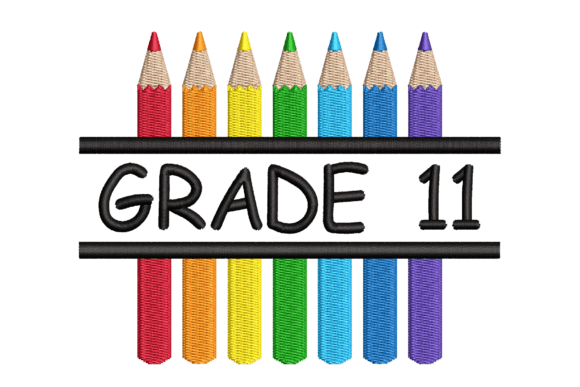
As an embroidery designer who frequently sources assets for commercial projects, I approach every new machine embroidery design with a critical eye. When browsing the Back To School category on Creative Fabrica, the Grade 11 Split Colored Pencils design caught my attention not just for its seasonal relevance, but for its specific artistic claim. The product description notes that this was hand-drawn by an embroidery artist, a detail that often separates a generic digitized image from a file that actually stitches out cleanly. After evaluating this design for potential use in custom apparel and school accessories, here is my honest assessment of how it performs in a real-world production environment.
First Impressions and Artistic Integrity
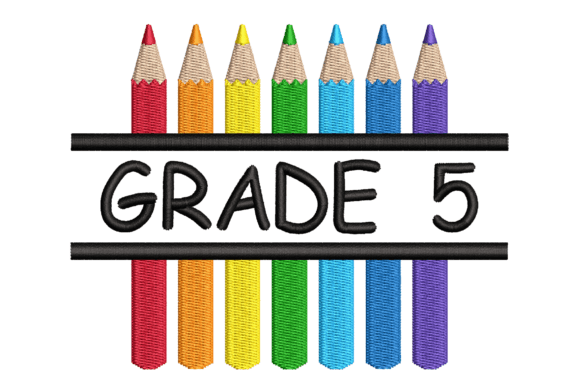
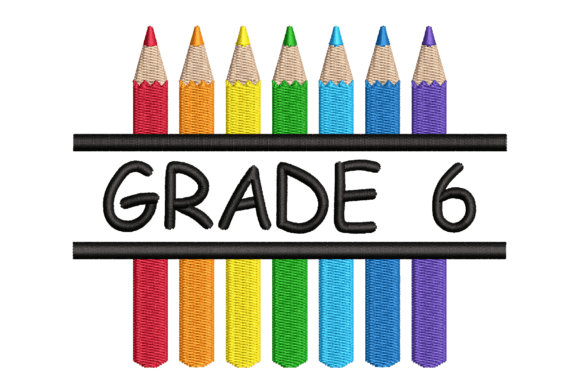
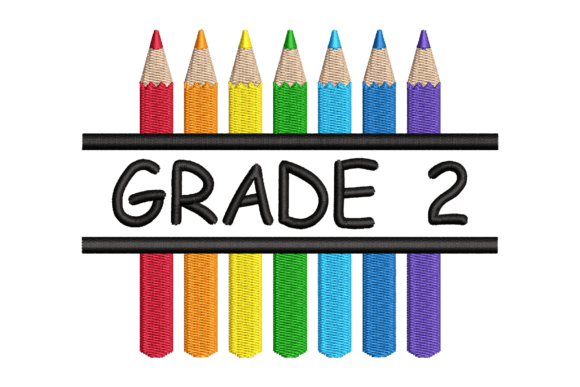
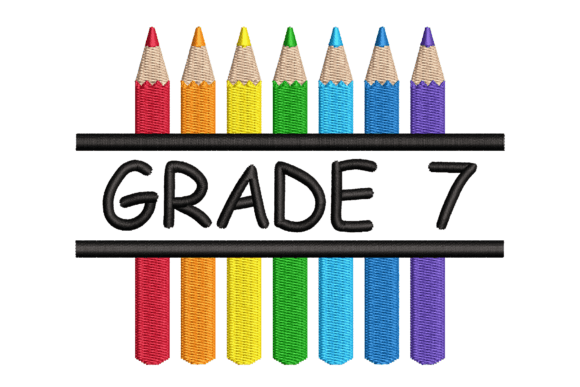
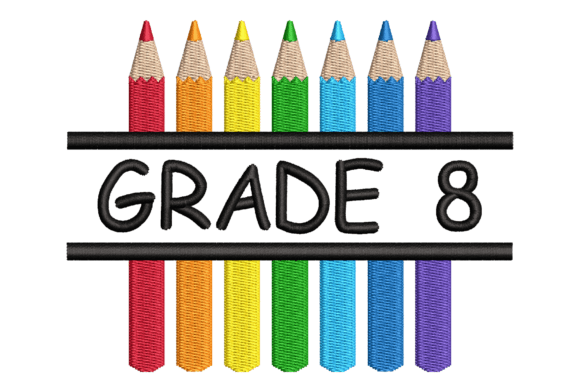
The visual mood of the Grade 11 Split Colored Pencils design strikes a balance between nostalgic academic aesthetics and modern vector art. For those of us creating handmade products, the "split" coloring effect offers a unique opportunity to play with contrast without relying on overly complex shading that can lead to puckering. Because this was created by an embroidery artist rather than auto-digitized from a raster image, the line work appears intentional. The transition points between colors are defined, which suggests the digitizer understood where needle penetrations should occur to maintain clean edges.
This design naturally fits the current trend of personalized academic gear. It avoids looking like a generic clip-art paste job, which is crucial when you are trying to build buyer trust on Etsy or at craft fairs. The aesthetic is polished enough for boutique merchandise yet playful enough for student gifts. As a tote bag design or placement on a denim jacket, it has immediate decorative appeal that communicates quality before the customer even touches the fabric.
Performance on Custom Apparel and Accessories
In my evaluation for a recent client order involving canvas tote bags and cotton sweatshirts, I considered how this embroidery file would translate across different substrates. The split color nature of the pencils likely utilizes a combination of fill stitch and satin stitch elements. On a sturdy canvas tote, this structure provides excellent coverage and texture. The design’s geometry lends itself well to flat hooping, making it a reliable choice for items that need to be produced in batches.
For sweatshirt embroidery, particularly on fleece or French terry, the main concern is always push-and-pull distortion. Since this design features distinct color blocks, proper compensation is vital. If the digitizing is true to the artist's intent, the registration marks should align even on textured fabrics. This makes it a strong candidate for custom apparel where washability is a factor. Unlike intricate photorealistic designs that can degrade after laundering, bold graphic styles like these colored pencils tend to hold up beautifully over time, maintaining their visual impact on school uniforms or spirit wear.
Navigating Technical Constraints and Fabric Types
While the Grade 11 Split Colored Pencils design is versatile, practical application requires careful consideration of your specific project parameters. If you intend to use this as an embroidered patch, verify the outer boundary stitching. A hand-drawn design usually includes appropriate edge finishes, but testing on scrap felt or twill is non-negotiable before committing to bulk production.
When working with stretchy fabrics or dark materials, thread color contrast becomes paramount. The "split" effect relies on visible differentiation between shades. On dark fabric, ensure your thread colors have enough value contrast so the design doesn't get lost. You may need to adjust the underlay or add a white base layer if the original file assumes light fabric usage. Additionally, consider the hoop size. While this design is perfect for standard 4x4 or 5x7 hoops, resizing it down for baby items or caps requires caution. Reducing a design with multiple color stops can sometimes cause alignment issues if the stitch density becomes too high for the smaller scale.
For curved surfaces like caps, assess the vertical height of the pencils. Tall, narrow designs can sometimes distort on the curved plane of a hat. In such cases, this design might work better as a side placement rather than a center front logo. Always check the stitch density settings in your editing software; if the design feels too stiff for a lightweight baby blanket or kitchen towel, reducing the density slightly can improve drape and prevent fabric damage.
Enhancing Product Value and Brand Presentation
Using high-quality design assets like Grade 11 Split Colored Pencils directly impacts perceived value. Customers can distinguish between a rushed, auto-digitized file and a thoughtful, artist-created design. When listing this as a personalized gift or part of a Back To School collection, the clean lines and professional finish justify a higher price point. It signals to buyers that you care about the details of your commercial embroidery business.
Furthermore, this design is exceptionally photogenic. The graphic nature of the split pencils translates well to digital marketing. Creating a printable mockup or photographing a stitched sample is straightforward because the design has clear focal points. This aids in customer engagement, as shoppers can easily visualize the final result. Consistency in using artist-grade files also builds brand recognition; your shop becomes known for crisp, durable, and aesthetically pleasing embroidery rather than inconsistent quality.
Essential Pre-Production Checklist
Before adding this digital embroidery file to your production queue, adhere to these practical steps to ensure success:
- Verify Licensing: Always review the specific license terms on the Creative Fabrica product page. Confirm whether the license covers commercial use for physical finished products versus digital redistribution.
- Test Stitch Out: Never skip the test run. Use a scrap piece of the exact fabric and stabilizer combination you plan to use for the final order to check registration and tension.
- Check File Details: Open the file in your machine software to confirm the stitch count and color changes match your expectations. Ensure the format is compatible with your specific machine brand.
- Evaluate Stabilizer Needs: For the split color blocks, a medium-weight cutaway or tear-away (depending on fabric weight) is usually best to support the transitions between colors without shifting.
- Inspect Small Details: After your test stitch, examine the tips of the pencils and any text elements. If they are lost or muddy, you may need to edit the file or choose a larger hoop size.
- Mockup Validation: Compare light and dark fabric mockups to ensure the design reads well in both contexts before listing it in your shop.
Final Thoughts for Makers
The Grade 11 Split Colored Pencils design represents a solid investment for embroidery professionals targeting the Back To School market. Its origin as a hand-drawn piece by an embroidery artist provides a level of stitching integrity that is essential for commercial embroidery applications. Whether you are decorating school bags, creating patches, or fulfilling custom sweatshirt orders, this design offers the reliability and aesthetic charm necessary to make your items stand out. By respecting the technical requirements of the file and validating its performance on your chosen substrates, you can confidently integrate this asset into your handmade business lineup.