School Alphabet Cross Stitch Pattern Review
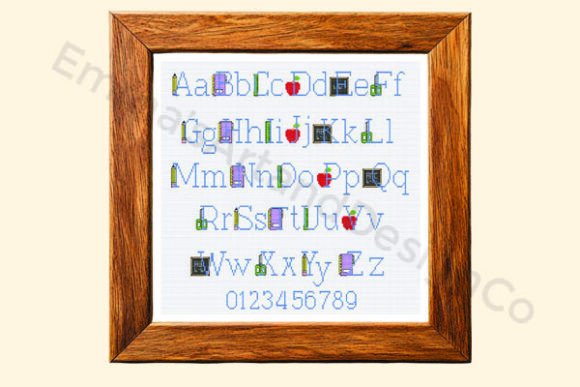
As an experienced embroidery designer preparing for the upcoming weekend craft fair season, I am constantly evaluating which digital assets will translate best into physical sales. When reviewing the School Alphabet Cross Stitch Pattern, my primary focus is not just on the aesthetic charm of the design, but on its commercial viability for handmade market products. This specific pattern, featuring letters adorned with classic school symbols like pencils, books, apples, scissors, rulers, and blackboards, offers a distinct nostalgic appeal. However, moving from a digital screen to a bustling booth table requires a critical eye toward production practicality and customer engagement.
First Impressions and Market Positioning
My immediate assessment of this School Alphabet Cross Stitch Pattern is that it strikes a balance between vintage academia and modern farmhouse aesthetics. It does not feel overly juvenile or cartoonish; rather, the inclusion of traditional educational iconography gives it a refined, heritage quality. For an Etsy seller or boutique maker, this is crucial. We are targeting parents, teachers, and lifelong learners who appreciate craftsmanship over novelty. The design feels decorative yet purposeful, making it suitable for premium pricing tiers rather than bargain-bin impulse buys. In a sea of generic monograms at a craft fair, these illustrated letters serve as a visual hook that invites customers to stop and examine the intricate details of the stitching.
Best Product Applications for Craft Fairs
Determining where to apply this machine embroidery design is the next step in my production planning. Based on the motif's density and thematic elements, certain products naturally outperform others.
- Tote Bags and Market Shoppers: This is arguably the strongest application. A canvas tote bag design featuring a teacher’s initial or a student’s name in this style creates an instant emotional connection. The sturdy fabric of a tote supports the stitch structure well, and the large surface area allows the alphabet details to shine without distortion.
- Teacher Aprons: Apron embroidery is a high-margin category during back-to-school seasons. This pattern works exceptionally well centered on the chest pocket or across the bib. The school symbols reinforce the wearer's profession, making it a highly giftable handmade product for educators.
- Tea Towels and Kitchen Linens: While tea towel embroidery is popular, one must be selective. This design works best on flour sack towels with a smooth weave. The academic theme pairs beautifully with kitchen linens intended for homeschoolers or family reading nooks.
- Patches and Pouches: For smaller items like zipper pouches or embroidered patch sets, individual letters can be isolated. These make excellent add-on sales at a booth. Customers often buy a single letter patch to customize their own gear, increasing the average transaction value.
Production Practicality and Batch Efficiency
For a small shop product line, efficiency is key. I evaluate whether the School Alphabet Cross Stitch Pattern allows for repeatable batch production. Because cross stitch emulation typically involves higher stitch density than standard satin or fill stitches, run times will be longer. As a business owner, you must factor this machine time into your cost of goods sold. However, the trade-off is perceived value. Customers recognize the texture and effort involved in cross stitch styles, often associating them with higher quality commercial embroidery.
Photographing this design for online listings requires attention to lighting. The textured nature of cross stitch can look flat in poor light. When creating a printable mockup or listing photo, use natural side-lighting to emphasize the raised stitches. This highlights the tactile quality that distinguishes a digital embroidery file converted into art from a mass-produced print. For booth displays, having a physical sample is non-negotiable. Customers need to touch the thread to understand why this craft fair product commands a higher price point than vinyl alternatives.
Critical Technical Considerations and Warnings
While visually appealing, this design type presents specific challenges that every professional embroiderer must navigate. Before committing to a full production run, consider these technical constraints:
- Fabric Texture Compatibility: Cross stitch simulation relies on precise grid alignment. Highly textured fabrics like terry cloth or ribbed knits can cause registration issues where the "x" shapes lose definition. Always test on the exact fabric texture you intend to sell.
- Stabilizer Selection: Due to the high stitch count, inadequate stabilization will lead to puckering. Use a heavy-weight cutaway stabilizer for stretchy fabrics and a crisp tear-away for woven cottons. Do not skimp here; a distorted letter ruins the entire finished product.
- Small Detail Clarity: Symbols like scissors and pencil tips may contain tiny elements. If resizing the design down for a cap or small tag, verify that these details do not merge into indistinguishable blobs. There is a minimum size threshold for legibility in complex graphics.
- Thread Color Management: School themes often utilize multiple colors per letter. Frequent color changes increase production time and the risk of thread breaks. Plan your batching strategy to minimize hoop swaps and color changes across multiple units.
- Curved Surfaces: Avoid placing this dense design on curved cap fronts unless it has been specifically digitized for caps. The combination of density and curvature is a recipe for needle breaks and poor registration.
Designer Notes for Commercial Success
To ensure the School Alphabet Cross Stitch Pattern becomes a profitable asset rather than a source of frustration, follow this pre-production checklist. First, always verify the hoop size requirements against your machine’s capabilities before purchasing or stitching. Never assume a design fits your largest hoop without measuring the actual stitch field dimensions.
Second, create at least one physical test stitch-out on scrap fabric identical to your final product. Check thread colors against the fabric under both daylight and indoor booth lighting. A navy blue thread might disappear on black fabric in dim convention center lighting; high contrast is essential for visibility from a distance. Third, review the spacing if combining letters to spell names. Cross stitch fonts often have unique kerning needs compared to standard block fonts.
Finally, confirm your licensing rights. Just because you purchased the embroidery file does not automatically grant unlimited commercial usage for finished goods. Respect the intellectual property of the original digitizer to maintain ethical standards in the Etsy seller community. By treating this School Alphabet Cross Stitch Pattern with professional rigor—from technical testing to strategic product placement—you transform a simple graphic into a cornerstone of a successful handmade business. The result is a collection of Cross Stitch Patterns that not only celebrates learning but also drives sustainable revenue for your creative enterprise.