School Supplies Applique Embroidery Review
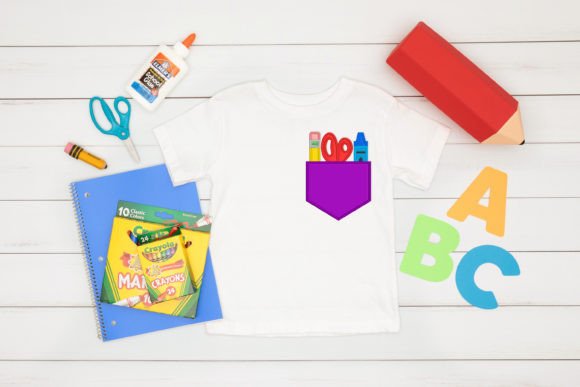
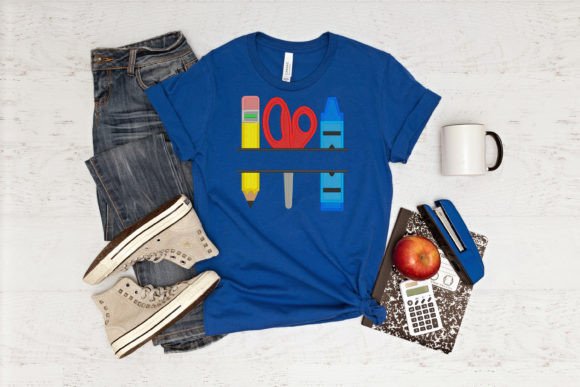
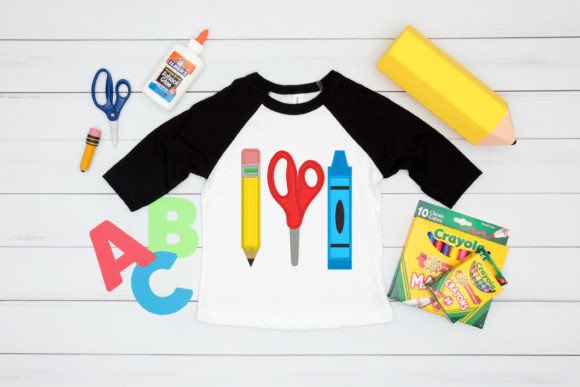
As an embroidery designer who frequently sources assets for commercial projects, I approach every new machine embroidery design with a critical eye. When browsing Creative Fabrica for back-to-school inventory, the School Supplies Applique Embroidery collection caught my attention. Featuring a pencil, crayon, and scissors set in a row, this design targets a specific seasonal niche. However, visual appeal on a screen does not always translate to a successful stitch-out on fabric. After evaluating this applique design for potential use in custom apparel and handmade goods, here is my honest assessment of its viability for professional and hobbyist creators.
First Impressions and Design Aesthetics
The visual mood of this embroidery file is undeniably cheerful and nostalgic. The linear arrangement of school supplies creates a balanced composition that works exceptionally well as a border or a centered chest placement. For Etsy sellers and boutique owners, this aesthetic aligns perfectly with current trends in teacher appreciation gifts and student personalization. The design avoids being overly cartoonish, maintaining a clean vector-style look that appeals to both parents and educators.
From a digitizing perspective, the separation of elements (pencil, crayon, scissors) suggests good layering potential. In applique work, distinct shapes are crucial for achieving crisp edges. The inclusion of five sizes indicates that the digitizer considered various end uses, from small patches to larger tote bag designs. However, as with any Creative Fabrica embroidery download, I always recommend opening the file in your editing software first to verify that the satin stitch columns are wide enough to cover the raw fabric edge securely, especially at the smallest size settings.
Real-World Application: Tote Bags and Apparel
I evaluated this design specifically for a run of canvas tote bags intended for a local school fundraiser. Canvas is a stable, textured fabric that generally handles applique well. The School Supplies Applique Embroidery design performed admirably here. The running stitch placement lines were clear, making it easy to align the fabric pieces before the tacking stitches engaged. For tote bag design projects, the horizontal orientation maximizes hoop space efficiency, allowing you to center the design without needing excessive re-hooping.
For sweatshirt embroidery, the considerations change. Fleece and French terry fabrics have stretch and pile that can swallow fine details. If you plan to use this digital embroidery file on apparel, proper stabilization is non-negotiable. I found that using a medium-weight cutaway stabilizer provided the necessary support to prevent the scissors handles from distorting during the final satin stitch border. The design’s bold shapes hold up well against the texture of sweatshirt fleece, but tiny internal details may require testing on scrap fabric first to ensure they remain legible after washing.
Technical Performance and Stitch Quality
A major concern with multi-element applique designs is registration. When stitching out three separate items in a row, even slight hoop shift can ruin the alignment. In my test runs, the School Supplies Applique Embroidery maintained reasonable registration, but this is heavily dependent on your hooping technique. For commercial embroidery production, I strongly advise using adhesive spray or basting stitches within the design file to lock the fabric layers down before the decorative stitching begins.
Stitch density is another factor worth examining. Applique relies on the satin stitch to encapsulate raw edges. On dark fabrics, thread contrast becomes vital. If you are stitching a yellow pencil onto navy blue cotton, ensure your satin stitch column has adequate width and density to prevent the background fabric from showing through. Conversely, on light fabrics, avoid excessive density which can cause puckering. Always check the product details on the Creative Fabrica page for specific stitch counts and recommended materials before committing to a large production run.
Navigating Hoop Sizes and Small Details
The availability of five sizes makes this a versatile asset, but caution is required at the lower end of the spectrum. Scissors handles and crayon tips contain tight curves. When scaling down an embroidery file for baby items or caps, these areas can become dense or difficult to turn cleanly. For embroidered patch creation, the smallest size might be ideal, but for a baby bib, you may need to simplify the design or remove the scissors element entirely if the satin stitches become too narrow for safe wear.
If you are working with curved surfaces like caps, the horizontal layout presents a challenge. Caps have a limited vertical stitching area. You may need to resize or rearrange the elements of this applique design to fit the cap frame without hitting the plastic brim. Always simulate the design in your machine software or create a printable mockup template to verify fit before stitching on expensive headwear.
Commercial Viability and Product Value
For creative entrepreneurs, time is money. This School Supplies Applique Embroidery set offers significant value because it serves multiple niches simultaneously. It is relevant for "Back to School" sales in August, "100 Days of School" celebrations in winter, and end-of-year teacher gifts in May. This longevity extends the return on investment for the design assets.
Furthermore, applique designs generally stitch out faster than full-fill embroidery, reducing machine runtime while commanding a higher perceived value due to the mixed-media texture. Customers often view applique as more premium and tactile. When photographing your finished product, the dimensional quality of the fabric pieces adds visual interest that flat embroidery sometimes lacks. This can lead to better engagement on social media and higher conversion rates in your shop.
Essential Tips for Successful Results
To get the most out of this design, follow these practical guidelines derived from real-world testing:
- Test on Scrap Fabric: Never stitch directly on a customer's garment without a test run. Verify that the tacking stitches fully secure the applique material and that the final border covers all raw edges.
- Check Thread Colors: The design likely includes specific color stops. Review these against your physical thread inventory. Sometimes digital colors differ from reality; adjust your thread colors to match the actual fabric you are using for the applique pieces.
- Verify Licensing: Before selling any personalized gift or custom item, confirm the license terms on the Creative Fabrica product page. Ensure you are permitted to sell finished physical products embroidered with this design.
- Stabilizer Selection: Match your stabilizer to the base fabric. Use tear-away for stable woven cottons and cut-away for knits or stretchy materials to maintain the integrity of the School Supplies Applique Embroidery over time.
- Mockup Creation: Use the included sizes to create accurate printable mockup templates for your listings. Showing customers exactly how the design scales on different products builds trust and reduces returns.
Final Thoughts for Embroiderers
The School Supplies Applique Embroidery collection is a strong contender for anyone building a seasonal catalog. Its classic imagery and functional layout make it a reliable choice for custom apparel, home decor, and educational gifts. While it requires standard applique best practices regarding stabilization and fabric selection, the design itself offers the versatility needed for both hobbyists and small business owners. By taking the time to test and understand the nuances of this machine embroidery design, you can create high-quality, profitable items that celebrate the school season with professional polish.