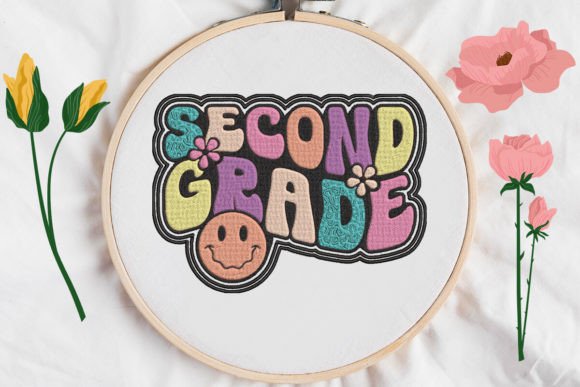
Second Grade, Back to School Design Review
As I curate my seasonal collection for the upcoming academic year, evaluating new digital assets is a critical step in ensuring product success. When reviewing the Second Grade, Back to School machine embroidery design, my primary focus is on its versatility and emotional resonance for parents and educators. This specific grade level carries a unique nostalgia; it represents the transition from early childhood into more structured learning. For an Etsy seller or small shop product creator, this design offers a distinct niche that separates your inventory from generic "school" motifs. The aesthetic strikes a balance between playful maturity and celebratory excitement, making it an ideal candidate for a wide range of holiday embroidery projects and back-to-season merchandise.
Evaluating Seasonal Mood and Emotional Appeal
The first impression of this embroidery file is one of cheerful anticipation. Unlike kindergarten designs that often rely heavily on primary colors and cartoonish elements, Second Grade themes tend to feature slightly more refined typography and iconography. This shift is crucial for commercial embroidery because it appeals to a broader demographic, including parents who want their children to feel "grown-up" while still celebrating their youth. The decorative style feels modern yet timeless, avoiding overly trendy elements that might date the finished product by next autumn.
From a buyer emotion perspective, this design taps into the pride of academic progression. When creating personalized gift items, this emotional hook is what converts a browser into a customer. The design possesses enough detail to look premium on high-quality apparel but remains clean enough to retain clarity on textured fabrics. Whether the mood you are aiming for is cozy autumn vibes or bright, energetic classroom enthusiasm, this design serves as a flexible foundation. It allows for color customization that can shift the tone from rustic and nostalgic to vibrant and contemporary, depending entirely on your thread selection and fabric pairing.
Strategic Applications for Holiday and Seasonal Products
In real-world selling situations, the Second Grade, Back to School design performs exceptionally well across multiple product categories. As I plan my seasonal drops, I see immediate potential for sweatshirt embroidery. Crewnecks and hoodies are staples for school spirit wear, and this design scales beautifully to center-chest placements. For craft fair displays, having a variety of sizes available allows customers to visualize the design on different garments immediately.
Beyond apparel, this design is a strong contender for tote bag design applications. Canvas totes are popular teacher gifts and student carry-alls. Because the design is optimized for machine embroidery, it should stitch out cleanly on heavy canvas without excessive puckering, provided the correct stabilizer is used. I also recommend exploring kitchen towel embroidery and pillow cover projects for family-oriented buyers. A "Proud Second Grade Parent" tea towel or a decorative throw pillow makes for an excellent handmade gift that extends the celebration beyond the classroom and into the home environment.
For those focusing on limited edition apparel or matching family sets, this design facilitates cohesion. You can easily adapt the color palette to create sibling sets where the Second Grade design coordinates with other grade-level files. Additionally, consider using this motif for embroidered patches. Patches have seen a resurgence in popularity, and a grade-specific patch adds a customizable, interactive element to denim jackets or backpacks. Always ensure you create realistic printable mockups for your listings; seeing the design rendered on a lifestyle photo significantly boosts engagement during the busy holiday shopping period.
Technical Considerations and Fabric Limitations
While the Second Grade, Back to School design is versatile, professional execution requires attention to technical constraints. Not every fabric texture is suitable for every digitizing style. Before listing any finished product, you must assess the stitch density relative to your chosen material. If the design includes intricate lettering or fine details, avoid using it on high-pile terry cloth or thick fleece without a water-soluble topping. These fabrics can swallow small stitches, rendering text illegible and diminishing the perceived value of the item.
Hoop size is another critical factor. Verify the dimensions of the embroidery file against your machine’s capabilities before purchasing or stitching. Some designs may require resizing, which can alter stitch density and cause tension issues. If you plan to use this on stretchy garments like performance tees or ribbed knits, a cut-away stabilizer is non-negotiable to prevent distortion. Conversely, for woven cottons or linen table linens, a tear-away stabilizer may suffice and provide a softer drape.
Be cautious when working with dark fabrics. If the design was digitized primarily for light backgrounds, you may need to adjust underlay stitches or add a white base layer to make colors pop on navy or black apparel. Metallic thread can add a festive touch for holiday embroidery, but it requires specialized needles and slower machine speeds to prevent breakage. Always test these combinations on scrap fabric first. Finally, consider washability. Items like baby bibs, aprons, and kids' apparel will face frequent laundering. Ensure the design holds up to wear by testing wash cycles on your sample pieces before offering them as commercial embroidery products.
Designer Notes for Professional Execution
To maximize the potential of this digital embroidery file, I adhere to a strict quality control checklist. First, always run a test stitch-out. Do not rely solely on software simulations. Physical testing reveals how thread colors interact with specific fabric textures and whether the registration is accurate. Check the stitch count and estimated runtime to price your finished products correctly; profitability depends on understanding your production costs.
When planning your seasonal collection, coordinate your thread colors to match current trends or specific school colors if targeting local markets. Create a cohesive brand identity by using consistent background fabrics and photography styles across all listings. For Etsy sellers, keywords matter; describe the design accurately in your tags, utilizing terms like "seasonal embroidery," "personalized gift," and "back to school decor."
Crucially, review the licensing terms associated with this machine embroidery design. Confirm whether you have permission to sell finished physical products or if the license restricts usage to personal projects. Respecting intellectual property builds customer trust and protects your business. Lastly, inspect small details after stitching. Are the letters crisp? Is the satin stitch smooth? Does the design feel balanced? Your reputation as a maker depends on these final touches. By treating the Second Grade, Back to School design with professional scrutiny and creative intention, you transform a simple digital file into a cherished seasonal keepsake that resonates deeply with families celebrating this important milestone.