Trick or Teach: A Craft Fair Embroidery Review
As an experienced embroidery designer preparing for the upcoming weekend craft fair season, I am constantly evaluating which designs will actually move inventory. When I first loaded the Trick or Teach machine embroidery design into my software, I wasn't just looking at stitch paths; I was visualizing my booth display. This design sits in a unique intersection of categories. While technically listed under Back To School, the playful wordplay suggests a crossover appeal that is perfect for autumn markets, teacher appreciation gifts, and whimsical home decor. For Etsy sellers and boutique makers, understanding the commercial viability of this specific embroidery file is crucial before committing to batch production.
First Impressions and Booth Appeal
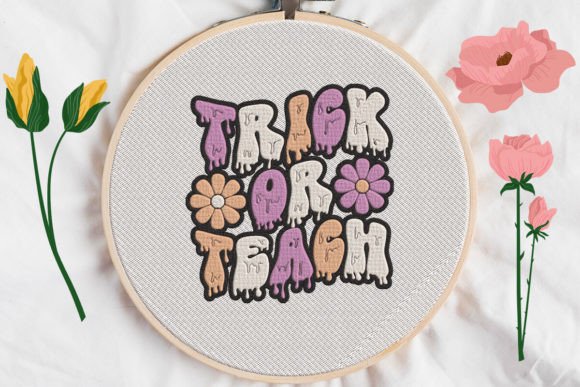
My immediate reaction to Trick or Teach is that it strikes a balance between festive and functional. It does not feel overly juvenile, nor does it feel strictly academic. Instead, it carries a charming, witty aesthetic that appeals to adult buyers looking for personality in their handmade products. In a crowded craft fair environment, customers scan tables quickly. This design has the potential to act as a "stopper" because of its clever phrasing. It feels modern yet nostalgic, making it suitable for both trendy market bags and traditional kitchen textiles.
For creative entrepreneurs, the value lies in this versatility. It is not a single-use seasonal design that expires on November 1st. Because it leans into the "Teach" aspect with a fun twist, it remains relevant throughout the school year while still capturing the Halloween shopping crowd. This longevity is essential for small shop product planning where inventory turnover must be efficient.
Best Product Applications for Market Sales
When planning my production run, I evaluate where a design performs best physically and commercially. Based on the whimsical nature of Trick or Teach, here is how I rank its application for finished products:
- Teacher Tote Bags: This is arguably the strongest application. A canvas tote bag featuring this design serves as an excellent gift item. The flat surface of a tote allows for crisp registration, and the phrase resonates deeply with educators attending fall conferences or starting the semester.
- Kitchen Tea Towels: Flour sack towels are a craft fair staple. Trick or Teach works beautifully here as a centerpiece design. The humor translates well to kitchen decor, making it a high-margin giftable item rather than just a utilitarian cloth.
- Apron Embroidery: For baking enthusiasts or classroom volunteers, this design adds character to aprons. However, placement is key. Center-chest positioning ensures visibility when the apron is worn, turning the wearer into a walking advertisement for your brand.
- Embroidered Patches: Creating standalone patches allows customers to customize their own denim jackets or pencil cases. This lowers your production risk and engages DIY-loving attendees at your booth.
While the description mentions t-shirts, I would approach apparel with caution for craft fairs unless you have pre-made samples in various sizes. Apparel requires significant upfront investment. Focusing on accessories like pouches, pillow covers, and towels often yields better profit margins and easier display logistics for handmade business owners.
Production Practicalities and Stitch Performance
A pretty screen view does not always equal a sellable product. As a professional, I must scrutinize the technical aspects of this digital embroidery file before hooping expensive goods. The description notes that this design adds charm to fabrics, but we must verify how it handles different textures.
Evaluating Stitch Density and Fabric Texture
Whimsical designs often utilize varied stitch types to create texture. Before running a full production batch, check the stitch density. If Trick or Teach contains dense fill areas, it may pucker lightweight fabrics or become too stiff on tea towels. Conversely, if the lettering is delicate satin stitch, it might get lost on textured terry cloth or burlap-style market bags. Always test on scrap fabric that matches your final product weight. For towels, a water-soluble topper is non-negotiable to prevent stitches from sinking into the pile.
Sizing and Legibility Checks
One common pitfall for Etsy sellers is resizing designs without checking integrity. If you plan to use Trick or Teach as a small accent on a fabric pouch or cap, ensure the text remains legible. Tiny details can merge during stitching, especially on curved surfaces like caps. Verify the minimum safe size in your embroidery software. If the design loses clarity below 4 inches, restrict its use to larger items like pillow covers or tote bags to maintain that premium handmade quality.
Visual Merchandising and Online Presentation
Selling at a craft fair and selling online require different visual strategies, but Trick or Teach supports both. For your physical booth, create a tiered display. Place embroidered tea towels folded to show the design front-and-center, flanked by hanging tote bags. The contrast between the flat towel and the dimensional bag highlights the design's adaptability.
For digital sellers, printable mockups are useful for listings, but nothing beats photography of the actual stitched product. Customers want to see thread sheen and texture. Photograph the design on multiple substrates—a dark fabric and a light fabric—to demonstrate contrast options. Since this design bridges seasons, stage photos with both back-to-school props (apples, books) and subtle autumn accents (pumpkins, dried leaves) to maximize search visibility across different buyer intents.
Critical Pre-Production Checklist for Sellers
Before listing Trick or Teach as a commercial embroidery product or stitching it for sale, run through this professional checklist to protect your reputation and profits:
- Verify Commercial Licensing: Never assume a digital embroidery file includes rights to sell finished products. Check the specific license terms provided with the download. Some designers allow unlimited sales, while others cap quantities or prohibit mass production.
- Confirm Hoop Size Compatibility: Ensure the design fits your machine’s hoop with adequate margin for stabilization. Do not rely solely on the stated dimensions; measure the actual stitch field.
- Thread Color Validation: Screen colors rarely match thread perfectly. Run a sample to confirm the color palette reads as intended. A "whimsical" design can look muddy if thread contrast is poor against the chosen fabric.
- Stabilizer Selection: Match stabilizer to fabric. Use cut-away for stretchy knits and tear-away for stable wovens. Incorrect stabilization is the number one cause of poor-quality embroidery that leads to returns.
- Create Real Mockups: Stitch at least one physical sample before the fair. Inspect it critically for jump stitches, registration errors, or tension issues. This sample becomes your quality benchmark.
Final Verdict for Handmade Businesses
Trick or Teach represents a smart addition to a diverse embroidery catalog. Its strength lies in its dual-season relevance and emotional connection to educators and parents. For craft fair vendors, it offers a fresh alternative to generic holiday motifs, providing a conversation starter that can lead to custom orders. By focusing on high-margin accessories and adhering to strict production standards regarding density and stabilization, this design can become a reliable seller. Remember, in the handmade market, execution is everything. Take the time to test, refine, and present this design with the professionalism your customers expect, and it will likely earn its place as a staple in your seasonal lineup.