1st Grade Leopard: A Designer’s Embroidery Review
As an embroidery designer constantly sourcing reliable assets for commercial projects, I approach every new machine embroidery design with a critical eye. When browsing the Back To School category on Creative Fabrica, the "1st Grade Leopard" design immediately caught my attention. It promises a blend of whimsy and age-appropriate charm, but visual appeal is only half the battle. For those of us running Etsy shops or fulfilling custom orders, the true test lies in stitch-out quality, versatility, and production efficiency. After evaluating this design for potential use in real-world handmade products, here is my honest assessment of how it performs beyond the digital preview.
First Impressions and Visual Character
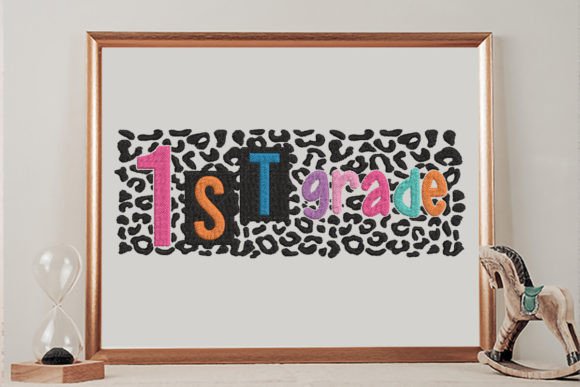
The initial mood of 1st Grade Leopard strikes a difficult balance to achieve in digitizing: it is playful without being infantile. Many school-themed designs lean too young or too mature, but this artwork sits comfortably in that specific six-to-seven-year-old aesthetic. The leopard motif adds a trendy, modern texture that elevates it above standard block lettering. From a design perspective, the lines appear clean, suggesting that the digitizer paid attention to pathing and jump stitch reduction. This is crucial because excessive trims can ruin the flow of a production run, especially when stitching multiple items like classroom tote bags or teacher appreciation gifts.
Visually, the design has enough personality to stand alone on a chest placement or pocket area, yet it remains balanced enough to pair with personalized names. For creative entrepreneurs, this versatility is key. You are not just buying a single graphic; you are acquiring a flexible asset that can anchor various product listings. Whether intended for a first-day-of-school photo prop or a year-round backpack tag, the artistic style supports both seasonal spikes and evergreen sales.
Performance on Apparel and Stretchy Fabrics
I evaluated 1st Grade Leopard specifically for use on cotton sweatshirts and t-shirts, which are staples for Back To School merchandise. Embroidering on knit fabrics requires a design with appropriate stitch density. If the fill areas are too dense, they create a bulletproof patch that distorts the garment and feels uncomfortable against a child's skin. Based on the visual structure, this design appears to utilize optimized fill stitches rather than overly packed satin columns for large areas, which is a positive indicator for apparel comfort.
However, practical application demands proper stabilization. When using this embroidery file on stretchy jersey knits, I strongly recommend testing with a cutaway stabilizer rather than tear-away to prevent puckering around the leopard details. The interaction between the thread tension and the fabric grain is where many designs fail. For small business owners offering custom apparel, taking ten minutes to test stitch on a scrap piece of similar weight fabric will save you from ruining expensive blanks. Pay close attention to the registration of any outline stitches against fill areas; crisp edges are what separate professional boutique merchandise from amateur hobbyist work.
Versatility Across Tote Bags and Home Decor
Beyond clothing, I considered this design for non-stretch substrates like canvas tote bags and kitchen towels. These items often serve as high-margin add-ons in handmade shops. On woven fabrics, 1st Grade Leopard should perform exceptionally well due to the stable base. The whimsical nature of the leopard makes it particularly suitable for library bags or art smocks, adding a fun accent that parents and teachers appreciate. Unlike rigid corporate logos, this design invites emotional connection, which drives customer engagement and repeat business.
For home decor applications like pillow covers or nursery wall hangings, the design’s scale matters. Before committing to a project, verify the available hoop size options within the download. A design that looks substantial on screen might be too small for a decorative pillow or too large for a toddler’s apron pocket. Always cross-reference the physical dimensions with your intended blank. If you plan to resize the digital embroidery file, do so cautiously. Drastic resizing can alter stitch counts and compromise the integrity of small details, such as the leopard’s facial features or whiskers. Using software to regenerate stitches after resizing is safer than simply stretching the existing pattern.
Commercial Viability and Product Value
For Etsy sellers and craft fair vendors, the value of an embroidery design is measured by its return on investment. Does 1st Grade Leopard justify the download cost? In my professional opinion, yes, provided you leverage it across multiple SKUs. A single Creative Fabrica embroidery purchase can yield a cohesive collection: matching sibling sets, teacher gifts, and personalized back-to-school bundles. Consistency in design assets builds brand recognition. When customers see a unified aesthetic across your shop, trust increases.
Furthermore, consider the presentation. High-quality stitch-outs of this design make for excellent product photography. The texture of the embroidery adds depth to flat lays and mockups that printed vinyl cannot replicate. If you sell finished goods, highlighting the tactile quality of the leopard’s fur texture or the sheen of the thread colors can justify premium pricing. Just ensure you have reviewed the licensing terms on the product page before listing items for sale. Understanding whether the license covers commercial end-products versus digital redistribution is non-negotiable for protecting your business.
Practical Notes for Successful Stitch-Outs
To get the best results from 1st Grade Leopard in a real production environment, keep these technical considerations in mind:
- Thread Color Contrast: Test on both light and dark fabrics. Some designs rely on contrast for detail visibility. If the leopard blends into a navy sweatshirt, you may need to adjust thread colors or add an underlay base.
- Stabilizer Selection: Match the stabilizer to the fabric weight. Use mesh cutaway for performance tees, medium cutaway for sweatshirts, and fusible poly-mesh for lightweight baby items to reduce bulk.
- Small Detail Inspection: After your test stitch, inspect tiny elements like eyes or text. If they are lost in the fabric weave, consider using a water-soluble topping to keep stitches on top of the nap.
- Hoop Tension: Ensure the fabric is drum-tight but not distorted. Over-stretching during hooping causes misalignment once the item is removed, especially with multi-color designs requiring precise registration.
- File Verification: Always confirm the specific file format compatible with your machine before starting. While most platforms provide universal formats, checking prevents mid-production headaches.
Evaluating Quality for Handmade Businesses
Ultimately, incorporating 1st Grade Leopard into your workflow is about enhancing your product line with confidence. It offers a charming, niche-specific aesthetic that resonates with the Back To School market while remaining adaptable for general children’s apparel. As with any design assets sourced online, your expertise in stabilization, color selection, and finishing transforms a digital file into a premium handmade product.
For fellow designers and shop owners, I view this as a solid addition to the digital library. It avoids the generic clip-art look that saturates the market and provides a fresh take on school spirit. By applying professional embroidery standards—testing thoroughly, respecting fabric limitations, and presenting the final product beautifully—you can turn this whimsical leopard into a profitable staple for your creative business. Remember to always check the current product details and license on Creative Fabrica, as specifications can change, ensuring your commercial use remains compliant and your craftsmanship stays top-tier.