Nursery Split Colored Pencils: A Designer Review
As I prepare my booth inventory for the upcoming weekend craft fair, my focus shifts to designs that bridge the gap between seasonal relevance and timeless appeal. The Nursery Split Colored Pencils design has caught my eye as a potential anchor piece for my Back To School collection. When evaluating a new machine embroidery design for commercial production, I look beyond the digital preview. I need to know if it translates to a profitable handmade product that customers will actually pick up off the table. This review breaks down the practical application of this hand-drawn embroidery artist creation from the perspective of a business owner preparing for market season.
First Impressions and Visual Hierarchy
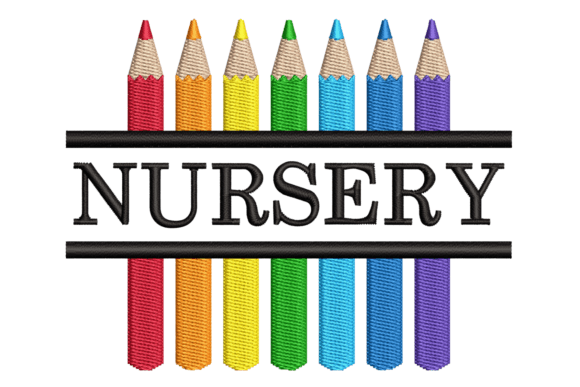
The immediate impression of the Nursery Split Colored Pencils motif is one of playful nostalgia mixed with modern nursery aesthetics. Unlike generic clip art, the "hand-drawn" quality mentioned in the description suggests organic lines and a softer, more premium feel. For an Etsy seller or boutique maker, this distinction is vital. Customers at craft fairs are often fatigued by mass-produced, stiff-looking graphics. A design that retains the charm of a sketch while being digitized for embroidery offers a unique value proposition.
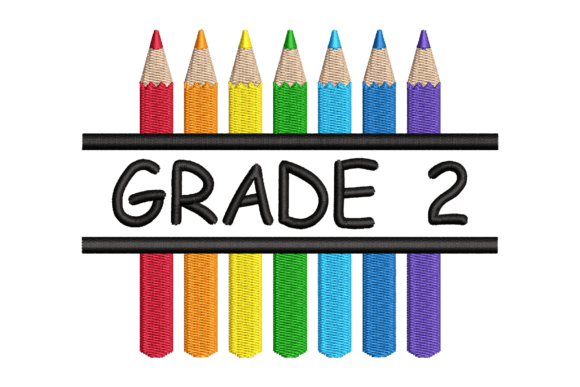
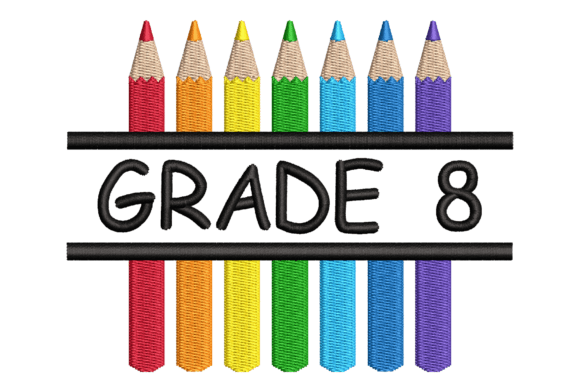
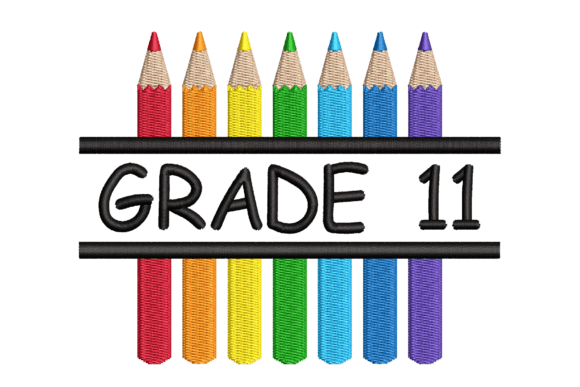
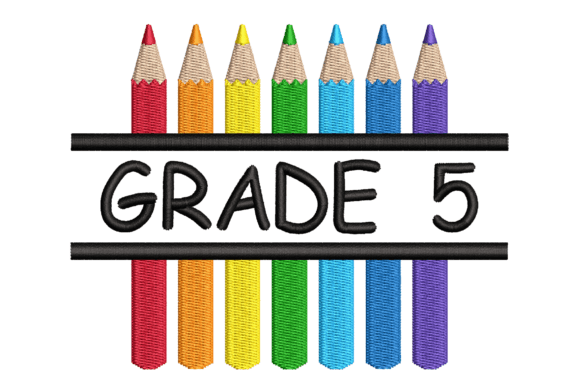
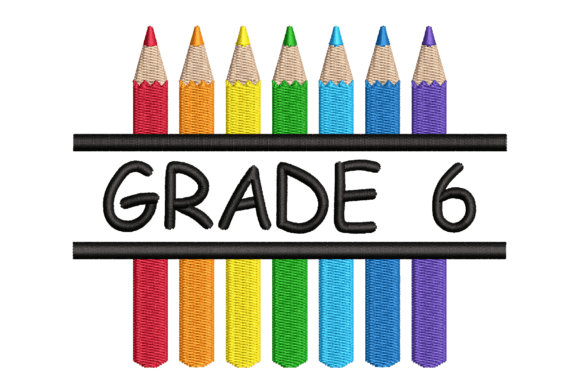
Visually, the split pencil concept serves as a natural frame or border element. This makes it exceptionally versatile. It does not demand to be the sole focal point; rather, it invites personalization. In a booth display, this visual flexibility allows the design to act as a supporting character to monograms or names, which are typically the primary sales drivers. The aesthetic strikes a balance between cute and clean, avoiding the cluttered look that can sometimes plague nursery themes. It feels appropriate for both baby items and older student gear, widening the potential customer demographic significantly.
Product Placement Strategy for Market Booths
Determining where to place this design is just as important as the stitching itself. Based on the composition of split colored pencils, I have identified three high-potential applications for my upcoming fair:
- School Bags and Totes: The description explicitly mentions school bags, and for good reason. As a tote bag design, the horizontal nature of split pencils works perfectly along the bottom hem or framing a central pocket. On canvas totes, the texture of the fabric complements the hand-drawn stitch style. This is a high-margin item that parents grab quickly during Back To School season.
- Bibs and Smocks: Moving into the true nursery category, this design shines on bibs. The split element can curve gently across the chest area without distorting. Because bibs are smaller, this tests the design’s legibility at reduced sizes. If the details hold up here, it becomes a staple small shop product.
- Teacher Aprons: Apron embroidery is a massive seller at fall markets. Placing the pencils near the waist tie or across the chest pocket area adds a professional yet whimsical touch for educators. This targets a specific buyer persona who values handmade quality over big-box store alternatives.
While tea towel embroidery is popular, I would approach this design with caution on terry cloth unless the stitch density is sufficiently high to prevent sinking. However, on smooth-weave kitchen towels or linen pillow covers, the design would likely photograph beautifully for printable mockups and online listings.
Production Practicality and Batch Efficiency
For a creative entrepreneur, time is money. A beautiful design is useless if it takes three hours to stitch or requires constant troubleshooting. When reviewing the Nursery Split Colored Pencils file, I am assessing its batch production viability. Hand-drawn styles often utilize running stitches or lighter fill patterns, which generally means faster run times compared to dense satin stitch designs. This is ideal for craft fair prep where volume matters.
However, the "split" aspect implies color changes. Efficient color sorting is essential. If the design requires jumping back and forth between pencil colors repeatedly, it slows down production. Ideally, the embroidery file should be optimized to stitch all elements of one color before moving to the next. Before committing to a full production run, I always verify the color sequence. Additionally, because this is intended for items like school bags, the design must withstand washing. I check that the stitch density provides enough coverage to be durable without becoming bulletproof or puckering the fabric.
Critical Technical Considerations
Even the most charming digital embroidery file can fail if technical constraints are ignored. When working with the Nursery Split Colored Pencils design, keep these cautions in mind:
- Fabric Texture Compatibility: Hand-drawn details often rely on finer lines. On textured fabrics like minky or plush fleece, these details may get lost. Stick to stable, smooth fabrics for the best definition.
- Small Lettering Risks: If you plan to add a name within the split pencil frame, ensure the lettering height remains above 4mm. Tiny text combined with decorative elements can become illegible mud when stitched out.
- Stabilizer Selection: For school bags and heavy canvas, use a cut-away stabilizer to prevent distortion. For lighter nursery garments, a tear-away or wash-away might suffice, but always test first to ensure the hand-drawn lines don't pull the fabric.
- Curved Surfaces: If applying this to caps or curved pouches, verify the design isn't too wide. Flat designs distort on curved surfaces. You may need to resize or separate the elements for headwear.
Enhancing Perceived Value and Sales Potential
The ultimate goal of adding Nursery Split Colored Pencils to my lineup is to increase average order value. This design supports that goal through customization. At a craft fair, I can offer on-the-spot personalization by adding a child's name inside the pencil split. This transforms a standard embroidered patch or bag into a bespoke keepsake. The "hand-drawn by an embroidery artist" narrative also justifies a higher price point. Buyers appreciate knowing they are purchasing art, not just automated manufacturing.
For digital sellers offering this as a commercial embroidery asset, emphasize the versatility in your listing photos. Show the design on a dark navy backpack and a pastel pink bib to demonstrate range. High-quality photography of the finished product is non-negotiable. Customers need to see how the thread colors interact with different fabric backgrounds. A well-staged photo confirms that the design is readable, attractive, and professionally digitized.
Designer’s Pre-Production Checklist
Before listing any item featuring Nursery Split Colored Pencils or bringing it to a market, complete this verification process:
- Test Stitch on Target Fabric: Never assume a digital proof equals a physical result. Stitch a sample on the exact material you intend to sell.
- Verify Hoop Size Requirements: Confirm the design fits your machine’s hoop with adequate margin for stabilization. Do not push the limits of your hoop area.
- Check Thread Contrast: Ensure the pencil colors pop against your chosen blank. Yellow pencils on cream fabric will disappear; opt for high contrast.
- Review Commercial Licensing: Confirm your purchase includes rights for selling finished products. Respect the artist’s terms regarding digital redistribution.
- Create Physical Mockups: Photograph real samples rather than relying solely on software renderings. Real shadows and texture build trust with buyers.
Incorporating the Nursery Split Colored Pencils design into your Back To School or nursery inventory offers a blend of artistic charm and commercial practicality. By respecting the technical requirements and leveraging its versatile layout, this hand-drawn motif can elevate your brand presence at craft fairs and boost sales in your online shop. Always prioritize quality testing and strategic placement to ensure this delightful design performs as beautifully in thread as it does on screen.