Pencil Sharpener with Shavings: Merch Design Review
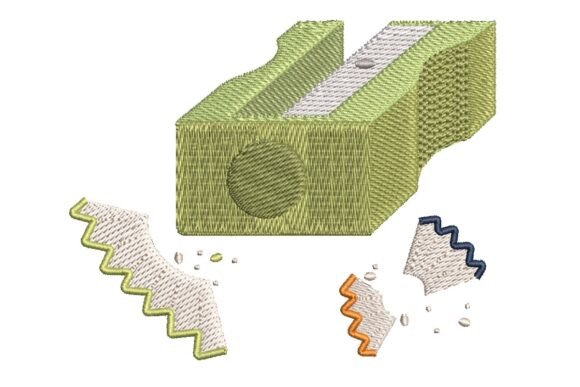
As an embroidery designer who regularly consults with small businesses on merchandise production, I approach every new machine embroidery design with a critical eye toward manufacturability and brand alignment. When reviewing the Pencil Sharpener with Shavings design for commercial application, my first impression is one of nostalgic utility mixed with vibrant creativity. The combination of a structured green manual sharpener with a silver blade against organic, colorful shavings creates a visual tension that is both professional and playful. For business owners in creative industries, this design offers more than just a "Back To School" aesthetic; it serves as a metaphor for refinement, preparation, and the creative process itself.
Evaluating Visual Personality for Brand Identity
The success of any brand identity relies on visual consistency and emotional resonance. This design strikes a specific balance that works exceptionally well for handmade brands, art studios, tutoring centers, and boutique stationery shops. The green body of the sharpener suggests reliability and tradition, while the yellow, green, orange, and blue shavings introduce a dynamic energy that prevents the logo from feeling sterile.
From a merchandising perspective, this color palette is versatile. It provides enough contrast to stand out on neutral fabrics like canvas, denim, or white cotton, which are staples for small business merch. However, the multicolor shavings also allow for easy customization; a business could swap these thread colors to match their specific corporate palette without altering the core iconography. This adaptability makes the Pencil Sharpener with Shavings a valuable asset for businesses looking to maintain visual cohesion across different product lines while keeping production costs manageable by minimizing thread changes on the primary object.
Commercial Applications Beyond the Classroom
While categorized under Back To School, experienced apparel decorators know that niche designs often have broader commercial viability. I have evaluated this design for several non-traditional business applications where it performs surprisingly well:
- Creative Studio Uniforms: For graphic designers, illustrators, or architects, this design works beautifully as a left-chest logo on polo shirts or work jackets. It signals craftsmanship and attention to detail.
- Boutique Retail Packaging: As an accent on tissue paper seals or shopping bags, the sharpener motif reinforces the idea of curated, thoughtful goods.
- Workshop and Event Merch: For art classes, writing retreats, or crafting workshops, this design serves as an excellent commemorative patch or tote bag emblem that participants will actually want to keep.
- Staff Aprons: In a florist shop or bakery where precision matters, the sharpener represents the "sharpening" of skills and tools, making it a unique alternative to generic culinary icons.
In each of these scenarios, the design functions as a conversation starter rather than mere decoration. It tells customers that the business values the tools of their trade and the process of creation.
Technical Considerations for Embroidered Patches and Apparel
A pretty digital file does not always translate to a flawless finished product. When planning to use Pencil Sharpener with Shavings for embroidered patches or direct-to-garment applications, technical limitations must be respected. The silver blade area requires careful attention to stitch density. Metallic or grey threads can easily become too dense, causing puckering or needle breaks, especially on lighter weight fabrics. I recommend testing this section specifically to ensure the satin stitches lie flat without compromising the fabric's integrity.
The colorful shavings present a different challenge: registration. Because they are organic, curling shapes surrounding a rigid geometric object, there is a risk of gaps appearing between the shavings and the sharpener body if the stabilizer is insufficient. For cap embroidery, where the curved surface naturally pushes stitches apart, this design should be tested rigorously. You may need to add slight overlaps in the digitizing or use a heavier cutaway stabilizer to maintain crisp edges. Always verify the recommended hoop size before purchasing the digital embroidery file to ensure it fits your equipment and the intended placement area on caps or sleeves.
Fabric Texture and Color Contrast
The interplay between thread colors and fabric texture is critical here. On smooth cotton twill, the silver blade will shine, but on textured linen or fleece, that sheen may be lost. If producing custom apparel on dark uniforms, consider outlining the green sharpener with a subtle light border to prevent it from disappearing into navy or black fabric. Conversely, on white tote bags, ensure the yellow and green shavings have enough saturation to remain visible after washing. A printable mockup is essential for client approval, but nothing replaces a physical sew-out on the actual garment material to confirm legibility and aesthetic appeal.
Strategic Value for Small Business Growth
Investing in high-quality design assets like this one contributes directly to perceived value. Customers associate detailed, well-executed embroidery with premium quality. A blurry, poorly registered patch suggests a lack of care, whereas a crisp Pencil Sharpener with Shavings logo implies professionalism. For Etsy sellers and handmade product creators, this level of detail validates higher price points and builds trust.
Furthermore, this design supports cross-selling opportunities. A stationery shop using this on staff aprons can extend the branding to pencil cases, notebook covers, and gift tags. The versatility of the icon allows it to scale from a 2-inch chest logo to a 4-inch back patch without losing recognition. This scalability is vital for maximizing ROI on commercial embroidery projects. By establishing a strong visual anchor, businesses create a cohesive ecosystem of branded touchpoints that reinforce customer loyalty.
Designer’s Pre-Production Checklist
Before running a full production batch, I advise all business owners and embroiderers to follow this verification protocol:
- Check Licensing: Confirm the embroidery file includes commercial licensing rights for merchandise sales. Personal use licenses do not cover branded business goods.
- Test in Monochrome: Print or view the design in black and white to evaluate contrast and clarity independent of color. If the shape isn't readable in grayscale, it won't be effective at small sizes.
- Verify Dimensions: Measure the intended application area. Ensure the design’s aspect ratio fits the space without distortion.
- Stabilizer Selection: Match the stabilizer type to the fabric weight. Use tear-away for stable woven fabrics and cutaway for knits or stretchy materials to prevent distortion of the shavings.
- Thread Inventory: Confirm you have adequate stock of all four shaving colors plus the green and silver. Running out mid-production causes batch inconsistencies.
- Wash Test: Embroider a sample and wash it three times. Check for thread shrinkage, color bleeding, or stabilizer residue that might affect the final presentation.
The Pencil Sharpener with Shavings is a deceptively complex design that rewards careful planning. When executed correctly, it transforms a simple school supply motif into a sophisticated symbol of creativity and precision. For small businesses seeking to differentiate their tote bag design, apron embroidery, or staff uniforms, this review confirms its potential as a high-value commercial asset. Always prioritize testing and proper stabilization to ensure your branded merchandise reflects the quality your customers expect.