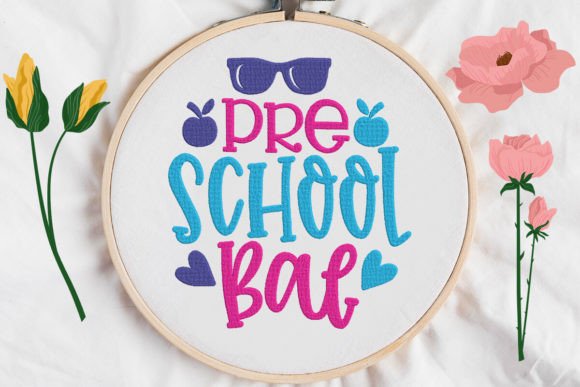
Pre-School Bae: Elementary School Design Review
As an embroidery designer specializing in commercial merchandise and branded assets, I approach every new machine embroidery design with a critical eye toward production viability. When evaluating the "Pre-School Bae, Elementary School" design for small business applications, my primary focus shifts beyond mere aesthetics to functional durability and brand alignment. This review assesses whether this specific embroidery file can withstand the rigors of commercial use while maintaining the joyful charm promised in its description.
Visual Personality and First Impressions
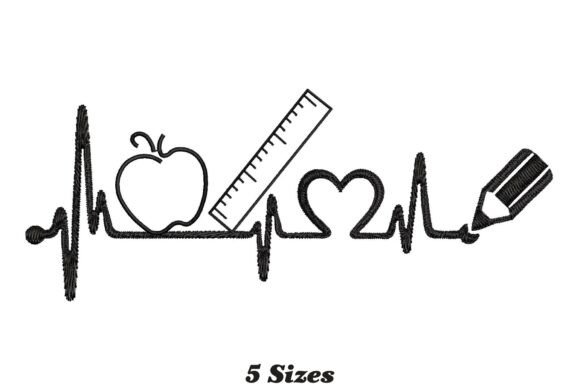
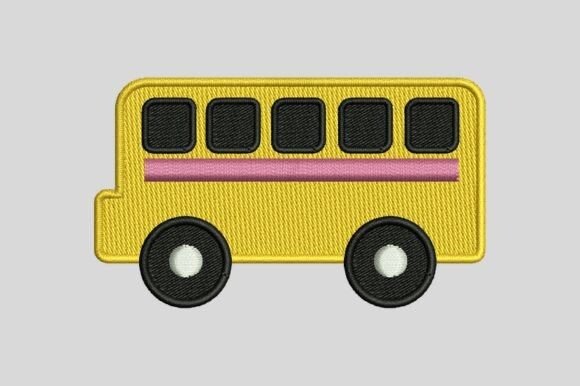
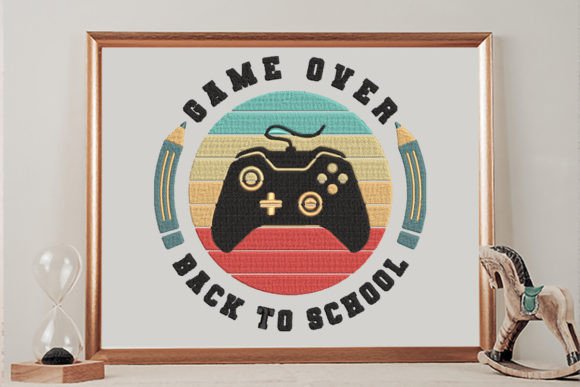
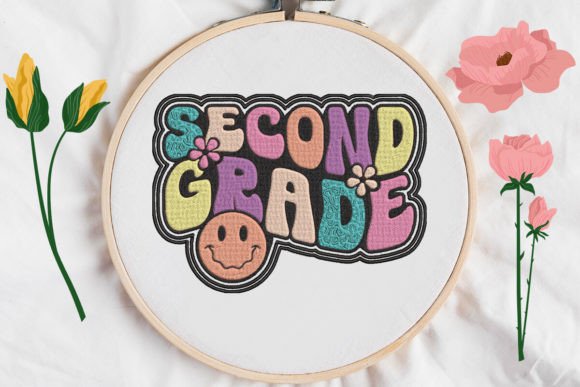
The title "Pre-School Bae, Elementary School" immediately suggests a playful, nostalgic, and approachable aesthetic. From a branding perspective, this design communicates warmth and accessibility rather than corporate rigidity. For businesses targeting families, educators, or the handmade community, this visual tone is essential. The design appears to balance whimsy with legibility, which is crucial for brand identity. A design that is too intricate loses impact at a distance, while one that is too simple may lack perceived value. This asset seems to strike a middle ground, offering a charming touch that feels intentional rather than accidental.
However, professional evaluation requires looking past the digital preview. The "joyful and charming" nature described implies rounded edges, potentially script fonts, or illustrative elements. In a commercial setting, these features must be digitized with adequate spacing to prevent thread buildup. My first impression is positive for niche markets like children’s boutiques, tutoring centers, or family-oriented cafés, provided the digitizing supports clean stitching on varied substrates.
Commercial Applications for Small Business Merch
For small business owners and Etsy sellers, versatility is key to maximizing ROI on design assets. This design shows strong potential across several small business merch categories:
- Custom Apparel and Staff Uniforms: As a left-chest logo on polo shirts or t-shirts, this design can foster team unity in daycare centers, preschools, or after-school programs. The friendly typography aligns well with environments where staff need to appear welcoming to both children and parents.
- Apron Embroidery: For bakeries, florists, or craft studios catering to younger demographics, placing this design on an apron pocket or bib area adds a signature handmade product feel. It transforms a utilitarian garment into a branding opportunity.
- Tote Bag Design: Canvas totes are a staple for school events and market days. This design likely scales well for tote bags, serving as a central graphic that promotes brand recognition during daily commutes or grocery runs.
- Embroidered Patches: Creating iron-on or sew-on patches allows for flexible inventory management. These can be sold as standalone add-ons or applied to caps and backpacks without committing to pre-decorated stock.
- Cap Embroidery: If the design aspect ratio permits, it could serve as a front-panel motif for dad hats or baseball caps, popular items for parent-teacher organizations and school spirit wear.
Production Constraints and Technical Considerations
While the aesthetic is appealing, technical execution determines the success of any commercial embroidery project. There are specific areas where "Pre-School Bae, Elementary School" requires careful testing before mass production.
Stitch Density and Fabric Texture
The interplay between stitch density and fabric texture is the most common failure point in machine embroidery. If this design contains dense satin stitches or complex fills, it may cause puckering on lightweight knits or performance fabrics often used in modern uniforms. Conversely, on textured surfaces like canvas tote bags or twill caps, fine details might get lost. I strongly advise running a test stitch-out on the exact material intended for the final product. Do not assume a design that looks perfect on felt will translate seamlessly to a polyester blend apron.
Scaling and Legibility
The description notes suitability for clothing, accessories, and home decor, but size matters. Reducing a design for a small patch or sleeve cuff can result in overlapping stitches and illegible text. Before resizing this digital embroidery file, verify the minimum recommended dimensions. Tiny lettering often requires re-digitizing rather than simple scaling to maintain clarity. Similarly, enlarging the design for a jacket back may reveal gaps in coverage if the original fill patterns were not designed for larger formats.
Color Management and Contrast
Thread colors define the mood of this piece. While the digital file may specify certain shades, real-world application demands contrast checks. A pastel thread on a white shirt may vanish in photographs or low light. For dark uniforms, ensure there is sufficient underlay or outline definition to make the design pop. Always test color combinations on actual fabric swatches, as screen rendering rarely matches thread sheen accurately.
Impact on Brand Value and Customer Trust
In the handmade and small business sector, embroidery quality directly correlates to perceived value. A poorly executed design signals amateurism, whereas crisp, well-registered stitching builds customer trust. Using "Pre-School Bae, Elementary School" effectively can elevate a finished product from generic to premium. Consistency is equally important; using the same design assets across packaging, apparel, and gifts creates a cohesive visual language that aids buyer engagement and retention.
Furthermore, the emotional resonance of an elementary school theme taps into nostalgia and community values. When customers see high-quality embroidery featuring this design, they associate those positive feelings with your business. This emotional connection is particularly valuable for service-based businesses where trust and familiarity drive sales.
Essential Designer Notes for Production Success
To ensure this design performs reliably in a business environment, adhere to the following professional protocols:
- Verify Licensing: Before selling any item featuring this design, confirm the commercial licensing terms. Ensure you have the right to sell finished products versus just the digital file itself.
- Create a Printable Mockup: Use a printable mockup to show clients or stakeholders how the design will look at actual size before hooping fabric. This manages expectations regarding scale and placement.
- Test Stabilizer Pairings: The correct stabilizer is non-negotiable. Test cut-away versus tear-away options based on the stretch and weight of your base fabric. Improper stabilization is the leading cause of registration errors in detailed designs.
- Check Hoop Size Compatibility: Confirm the design fits comfortably within your available hoops with adequate margin for hoop burn prevention. If the design pushes the limits of your hoop, consider splitting it or resizing slightly to ensure tension consistency.
- Inspect Spacing and Pull Compensation: Zoom in on the file to check for adequate spacing between elements. Verify that pull compensation has been applied to account for fabric distortion during stitching.
- Wash Testing: If producing items requiring frequent laundering (like kids' clothes or cafe aprons), wash-test a sample. Ensure the design does not shrink, distort, or cause excessive fabric wear after multiple cycles.
- Compare Beside Other Assets: Place this design next to your existing logo or other brand elements. Ensure the style, weight, and color palette create a harmonious collection rather than a disjointed assortment.
"Pre-School Bae, Elementary School" offers significant potential for Back To School collections and year-round children’s merchandise. By approaching it with technical diligence and strategic branding intent, small businesses can transform this charming design into a profitable, professional asset. Always prioritize testing and verification to ensure the final embroidered product meets the high standards your customers expect.