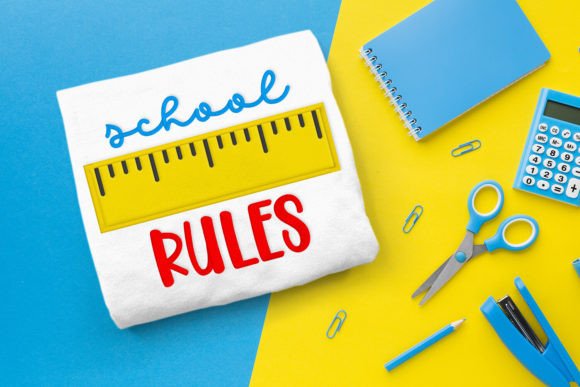
School Rules Applique Embroidery: A Business Review
As a professional embroidery designer specializing in commercial merchandise and branded assets, I approach every machine embroidery design with a critical eye toward production viability and brand alignment. When evaluating the School Rules Applique Embroidery file for small business use, my primary focus is not just on its adorable aesthetic, but on how it performs as a functional asset for apparel decorators, Etsy sellers, and local shops. This review analyzes the design’s technical structure and commercial application to help you determine if it belongs in your production lineup.
Visual Personality and First Impressions
The immediate impression of School Rules Applique Embroidery is one of playful professionalism. The combination of an applique ruler with the phrase "school RULES" strikes a balance between nostalgic charm and bold readability. For a business owner, this visual tone is crucial. It avoids looking overly juvenile, which can sometimes alienate adult customers, while retaining enough whimsy to signal creativity and approachability.
From a design hierarchy perspective, the applique element serves as an excellent anchor. In commercial embroidery, solid fill areas can sometimes appear flat or heavy. The inclusion of fabric within the stitch field adds texture and dimension that pure thread cannot achieve. This makes the finished product feel more premium and handmade, a significant value-add for boutique merchandise or custom gifts. The typography appears legible at a glance, which is essential for brand identity recognition on moving targets like tote bags or staff uniforms.
Commercial Applications for Small Business Merch
Versatility is the hallmark of a profitable digital embroidery file. Based on the included sizes ranging from 95 mm to 120 mm, this design sits in a sweet spot for various small business merch applications. Here is how I envision this design performing in real-world scenarios:
- Café and Bakery Staff Uniforms: The 95 mm size is ideal for left-chest placement on polo shirts or aprons. The applique texture softens the corporate look, making staff appear more welcoming without sacrificing uniformity.
- Boutique Tote Bags: At the larger 120 mm size, this design works beautifully as a center chest mark on canvas totes. The contrast between the ruler graphic and the bag fabric creates a high-impact visual that serves as walking advertising.
- Pet Brand Accessories: Surprisingly, this design translates well to pet bandanas or grooming smocks. The "rules" theme plays into the humorous narrative many pet brands cultivate, adding personality to functional gear.
- Etsy Shop Branding: For makers selling school supplies or children's decor, using this embroidered patch on packaging or thank-you cards reinforces the niche. It acts as a seal of quality that connects the digital listing to the physical handmade product.
- Event Merchandise: For back-to-school events, library fundraisers, or teacher appreciation sales, this design offers instant thematic relevance. It reduces the need for custom digitizing, saving time and overhead costs.
Technical Considerations and Production Safety
While the aesthetic is strong, successful custom apparel production requires respecting technical limitations. As a designer, I must highlight where caution is needed when deploying School Rules Applique Embroidery.
Fabric Texture and Stabilizer Selection
Applique designs are sensitive to base material choice. If you are stitching this onto a textured surface like terry cloth towels or ribbed knit caps, the fabric edge may get lost in the pile. For cap embroidery specifically, ensure the curve of the hat does not distort the straight lines of the ruler graphic. Always use a cut-away stabilizer for stretchy knits to prevent puckering around the applique satin stitch border. For woven fabrics like canvas totes, a tear-away may suffice, but test first to ensure clean removal without distorting the design shape.
Size Reduction Risks
The smallest provided size is 95 mm. I strongly advise against resizing this design smaller than intended. Reducing an applique design often compresses the satin stitch columns holding the fabric down. If the column becomes too narrow, the raw edge will fray after washing, ruining the apron embroidery or uniform. Furthermore, tiny lettering inside the ruler graphic may become illegible if scaled down. Always respect the minimum size parameters to maintain structural integrity.
Thread Colors and Contrast
Because this design relies on the interaction between thread and fabric, contrast is non-negotiable. If you are stitching a dark ruler applique onto a navy shirt, the definition disappears. Before running production, verify that your chosen applique fabric contrasts sufficiently with both the garment and the outline thread. High contrast ensures the "school RULES" text remains readable from a distance, preserving the marketing function of the merchandise.
Impact on Brand Value and Customer Trust
In the competitive landscape of handmade goods and local services, presentation dictates perceived value. A sloppy, poorly registered, or inappropriate design can erode customer trust instantly. Conversely, School Rules Applique Embroidery, when executed correctly, signals attention to detail.
The applique technique itself suggests a higher level of craftsmanship than standard flat embroidery. Customers associate fabric inlays with vintage quality and durability. When used on tote bag design projects or premium uniforms, this elevates the item from "basic promo gear" to "desirable retail product." This distinction allows small businesses to command higher price points and fosters stronger emotional connections with buyers who appreciate the tactile nature of the work.
Consistency also builds recognition. Using this specific design asset across multiple touchpoints—staff wear, packaging, and event signage—creates a cohesive visual language. Even though the theme is seasonal or niche, the consistent execution reinforces your shop's identity as a polished, professional entity.
Designer Notes for Pre-Production Testing
Before committing to a bulk order or listing a new product, follow this professional testing protocol to ensure School Rules Applique Embroidery meets your standards:
- Verify File Compatibility: The zip includes DST, EXP, HUS, JEF, PEC, PES, VP3, and XXX formats. Confirm your machine reads the selected format correctly and that no data corruption occurred during transfer.
- Stitch Out in Black and White: Run a test sew using neutral colors first. This removes the distraction of color matching and allows you to inspect registration marks, tack-down stitches, and satin stitch coverage purely on technical merit.
- Check Hoop Size Requirements: Ensure your hoop accommodates the 120 mm version with adequate clearance. Tight hooping can cause flagging and misalignment, especially near the edges of the ruler graphic.
- Create a Printable Mockup: Before sewing, place the design file over a photo of your actual garment or product. Check scale relative to pockets, seams, and zippers. A digital mockup prevents costly placement errors on expensive blanks.
- Wash Test: Applique edges are the most vulnerable point. Wash and dry the test sample three times. Inspect for fraying, shrinkage, or tunneling. If the edge fails, adjust your satin stitch width or add a fray check sealant before production.
- Confirm Licensing: While the file formats suggest commercial readiness, always double-check the specific license terms included in the download. Ensure you have the right to sell finished products featuring this design, especially if you plan to scale beyond local craft fairs.
By treating School Rules Applique Embroidery as a serious production asset rather than just a cute graphic, you maximize its return on investment. Proper testing, thoughtful placement, and respect for technical constraints will transform this digital file into a powerful tool for building your brand and delighting your customers.