Schoolhouse Applique Embroidery: A Designer Review
As an embroidery designer who frequently sources assets for both personal creative projects and commercial client orders, I approach every new machine embroidery design with a critical eye. When browsing the extensive library of Creative Fabrica embroidery files, the Schoolhouse Applique Embroidery design immediately caught my attention. It is not merely a seasonal graphic; it is a versatile asset that speaks to nostalgia while serving practical needs for back-to-school merchandise, teacher appreciation gifts, and "100 Days of School" celebrations. After integrating this design into a recent production run for custom tote bags and sweatshirts, I want to share an honest evaluation of its performance, digitizing quality, and commercial viability for fellow makers and shop owners.
First Impressions and Visual Character
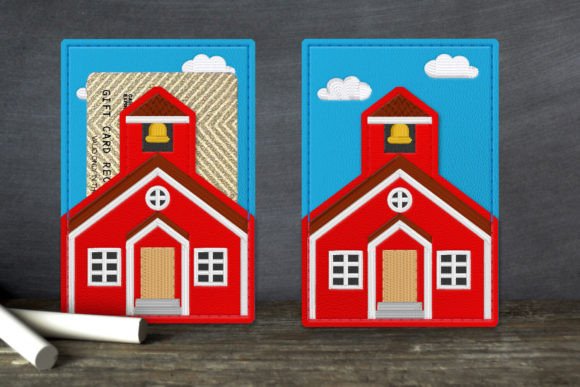
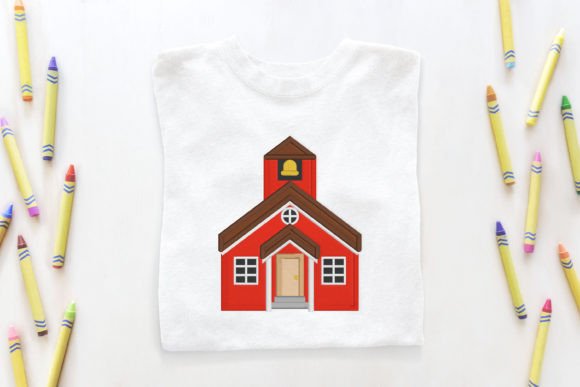
The visual mood of this applique design strikes a difficult balance between vintage charm and modern clarity. Many schoolhouse designs suffer from being either too cartoonish or overly complex with tiny details that get lost in stitching. This file presents a clean, old-fashioned aesthetic that feels appropriate for a wide demographic, from kindergarten students to adult educators. The lines are distinct, and the negative space is well-managed, which is crucial when you are working with fabric layers rather than just thread.
What stood out during my initial review was the thoughtful scaling considerations mentioned in the product description. At smaller sizes, the doorway and roof transition from applique to filled embroidery. This is a hallmark of professional digitizing. Novice designs often force tiny applique pieces onto 4x4 hoops, resulting in fraying edges and frustrated crafters. By converting these intricate areas to stitch fills at reduced dimensions, this embroidery file maintains structural integrity across multiple hoop sizes. For a designer, this adaptability reduces the need for manual editing and saves valuable production time.
Performance on Custom Apparel and Tote Bags
I tested this design specifically for a client order involving canvas tote bags and cotton blend sweatshirts. These substrates present different challenges, making them ideal test cases for any tote bag design or sweatshirt embroidery project. On the canvas tote, the applique sat beautifully flat. The tack-down stitches were secure without being excessively dense, which prevented the stiff, bulletproof feeling that can ruin a handmade product's drape. The satin stitch borders were smooth, covering the raw fabric edges completely without tunneling, even after washing.
For the sweatshirt application, stability was key. Fleece-backed fabrics can push stitches around, but the running stitch placement lines on this design were accurate. I used a medium-weight cutaway stabilizer as recommended for stretchy knits, and the registration held perfectly. There was no gap between the applique fabric and the outline stitch, which is often the first sign of poor digitizing. If you are creating custom apparel for Etsy listings or boutique merchandise, this reliability translates directly to buyer trust. Customers expect professional finishes, and this design delivers consistent results that photograph well for printable mockups and social media marketing.
Navigating Small Sizes and Detailed Areas
One of the most common questions I receive from fellow embroiderers concerns resizing. With the Schoolhouse Applique Embroidery, the built-in size variations are a significant advantage. When testing the smallest version for a baby bib and a pocket-sized patch, the transition to fill stitches for the roof and door worked seamlessly. The stitch density remained balanced; it provided enough coverage to look solid on dark fabrics without causing puckering on lighter materials.
However, practical caution is still necessary. Even with excellent digitizing, always verify your specific machine’s capabilities and your chosen hoop size. If you plan to use this for an embroidered patch, ensure your merrow edge or border stitch aligns correctly with the design boundary. For items requiring frequent washing, such as kitchen towels or baby blankets, I recommend adding a light topping stabilizer to prevent the applique fabric from sinking into textured terry cloth. This extra step ensures the finished product retains its visual appeal through years of use.
Commercial Viability and Brand Consistency
For small business owners and creative entrepreneurs, a digital asset must do more than just stitch out nicely; it must support brand consistency and product value. This design excels in versatility. I have successfully used it for:
- Back To School personalized backpack tags and lunch sacks
- Teacher appreciation aprons and desk accessories
- "100 Days of School" celebration shirts for elementary grades
- Nursery decor pillows featuring educational themes
- Seasonal craft fair inventory targeting parents and educators
The classic styling means it does not look dated after September passes. Unlike trendy character-based designs that risk copyright issues or quick expiration, this traditional schoolhouse motif remains evergreen. This longevity maximizes your return on investment when purchasing design assets. Furthermore, because the design is clean and recognizable, it serves as an excellent base for personalization. Adding a child’s name or a graduation year below the schoolhouse creates a high-perceived-value personalized gift without requiring additional digitizing work.
Practical Notes for Production Success
While my experience with this digital embroidery file has been overwhelmingly positive, professional results always depend on proper technique. Before committing to a full production run, adhere to these best practices:
- Test on Scrap Fabric: Always stitch a sample using the exact fabric and stabilizer combination intended for the final item. Thread tension varies by machine, and what works on denim may fail on jersey knit.
- Check Thread Color Contrast: The design relies on clear definition between the applique fabric and the outline stitches. Test your thread colors against both light and dark backgrounds to ensure visibility.
- Review Licensing Terms: Before selling any commercial embroidery products, carefully read the license details on the Creative Fabrica product page. Confirm whether the file allows for physical product sales, digital redistribution, or mass production limits.
- Inspect Small Details: After stitching the smaller versions, examine the filled roof and doorway areas closely. Ensure there are no jump stitches left untrimmed that could snag on delicate skin or fabric.
- Validate File Formats: Ensure your machine reads the provided format correctly. While most platforms provide universal formats like PES, DST, and JEF, always confirm compatibility before starting a paid order.
Evaluating Value for Makers
In the crowded marketplace of embroidery designs, finding files that respect both the art form and the maker’s time is rare. The Schoolhouse Applique Embroidery stands out because it anticipates real-world usage scenarios. It acknowledges that designers need flexibility in sizing and that end-users demand durability. Whether you are fulfilling a bulk order for a PTA fundraiser or creating a single heirloom blanket for a grandchild, this design provides a reliable foundation.
From a business perspective, the time saved on editing and troubleshooting directly impacts profitability. When a machine embroidery design stitches out correctly on the first attempt, you reduce material waste and increase customer satisfaction. The professional finish achieved with this file enhances the perceived quality of your entire shop. Buyers can distinguish between amateur and expert craftsmanship, and using high-quality source materials is the first step toward establishing that expertise.
Ultimately, this applique design is a worthy addition to any serious embroiderer’s library. It bridges the gap between nostalgic aesthetics and modern manufacturing requirements, making it suitable for everything from quick craft fair sellers to premium custom commissions. As with any tool, success depends on the skill of the user, but this particular asset certainly makes the job easier and the results more beautiful. For those looking to expand their back-to-school or educational product lines, I confidently recommend giving this design a place in your next hooping session.